Oakland’s Vibrant Urban Pulse: Food, Art, and Community Resilience
Oakland blends a rich cultural history with a restless energy that keeps the city evolving. From waterfront promenades to neighborhood markets, Oakland offers a compact urban experience where art, food, and community initiatives intersect—making it a must-visit for curious travelers and a lively home for longtime residents.
Neighborhoods that tell a story
Oakland’s neighborhoods each carry a distinct personality. Downtown and Old Oakland hum with cafés, boutique shops, and a growing roster of adaptive reuse projects.
Uptown remains a magnet for nightlife and live music, while Rockridge and Temescal deliver neighborhood-scale dining and indie retail. Waterfront areas like Jack London Square combine maritime heritage with modern dining and event spaces.
For quieter escapes, Lake Merritt provides a scenic urban oasis with walking paths, wildlife, and community events.
A food scene driven by diversity
Oakland’s culinary reputation stems from its diversity and commitment to fresh, local ingredients. Farmers markets, small-scale producers, and independent restaurants make it easy to explore global flavors alongside California coastal cuisine. Casual taco stands sit comfortably beside upscale farm-to-table restaurants, and a thriving vegetarian and vegan scene ensures options for every palate. Food halls and neighborhood pop-ups showcase emerging chefs and innovative concepts—perfect for food explorers seeking authentic bites.
Street art and creative expression
Public art is woven into Oakland’s streets.
Walls and alleys host large-scale murals that reflect social commentary, community pride, and artistic experimentation. Cultural institutions, galleries, and performance spaces support a lively arts ecosystem, from spoken-word nights to experimental theater.
Regular arts walks and neighborhood art events encourage discovery and create opportunities to meet local artists and makers.
Transportation and walkability
With regional transit connections and growing bike infrastructure, Oakland is increasingly accessible without a car. Light rail and commuter options link neighborhoods and connect across the Bay, while expanded bike lanes and pedestrian improvements make short trips more pleasant.
For those exploring casually, rideshare and ferry services complement public transit to reach waterfront destinations and nearby attractions.
Green initiatives and resilience
Oakland prioritizes green space, urban forestry, and climate resilience efforts.
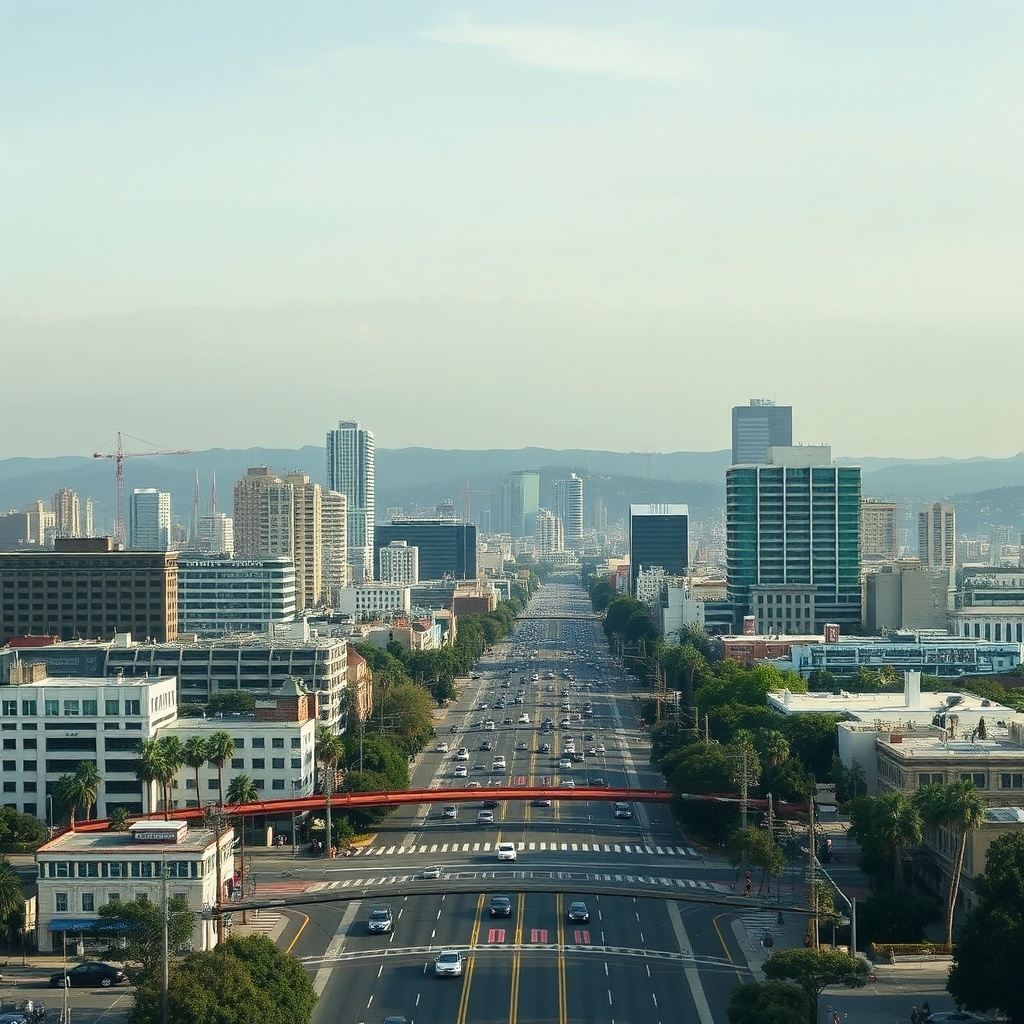
Community-led gardens, park refurbishments, and shoreline adaptation projects reflect local commitments to sustainability and environmental justice. Neighborhood groups regularly organize cleanups, tree plantings, and educational programs that strengthen civic bonds while improving urban ecology.
Small business and community entrepreneurship
Independent businesses—coffee roasters, bookstores, record shops, and family-owned restaurants—anchor local commerce. Business incubators and community development organizations support entrepreneurs, helping preserve neighborhood character amid development pressures. Supporting local shops and community events helps maintain the city’s eclectic character and economic resilience.
What to expect when visiting
Bring curiosity and comfortable shoes. Explore markets, sample a range of cuisine, and leave time to wander mural-lined streets and waterfront promenades. Check local listings for live music, neighborhood festivals, and art openings to tap into the city’s cultural calendar.
Engaging with community-run spaces and small enterprises offers a deeper connection than standard tourist stops.
Oakland remains a dynamic urban center where culture, food, and activism converge. Whether discovering a neighborhood coffee shop, studying a public mural, or enjoying sunset views along the water, the city rewards visitors who come ready to explore beyond the obvious.