Oakland’s unmistakable energy comes from its neighborhood variety, creative spirit, and a stubborn streak of independence. From waterfront promenades to hillside trails, the city blends strong cultural traditions with an evolving culinary and arts scene that keeps drawing attention from visitors and locals alike.
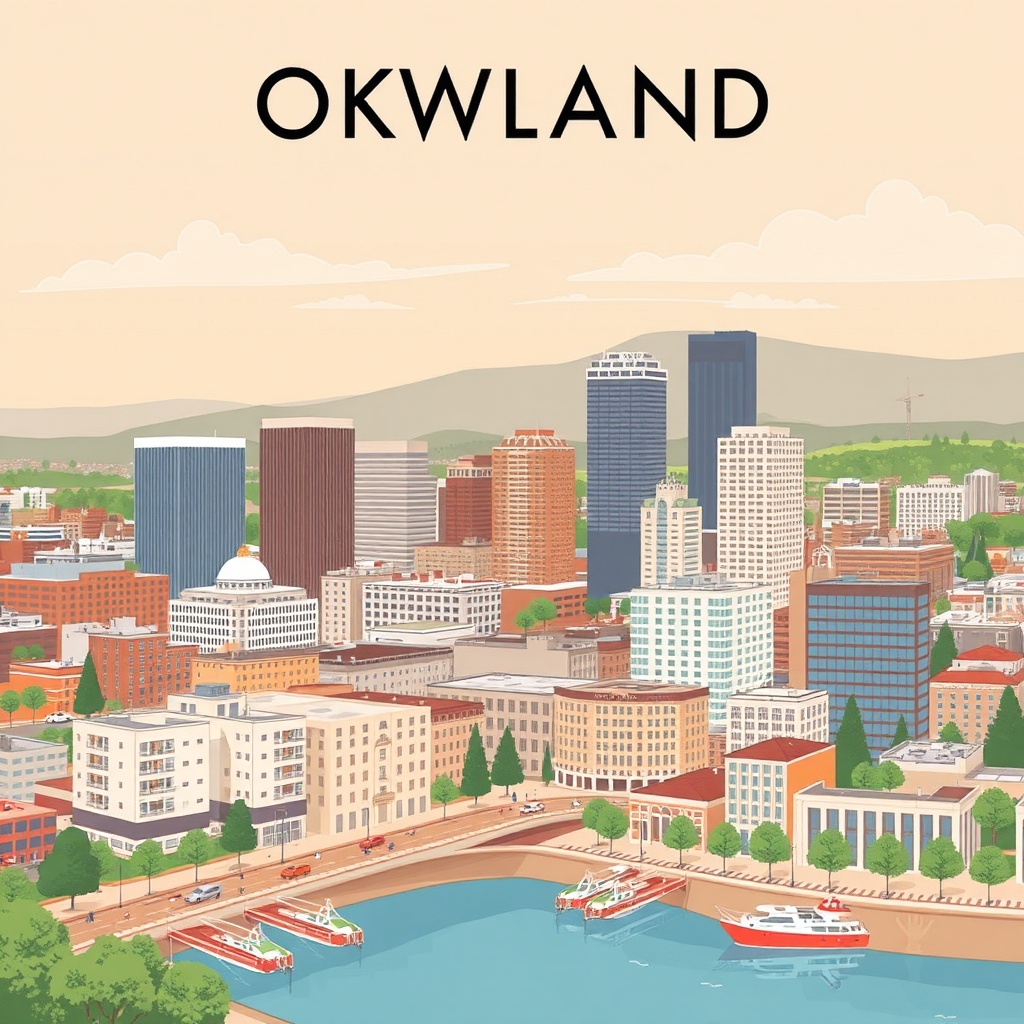
Neighborhoods shape the Oakland experience. Uptown hums with live music, galleries, and a growing roster of restaurants and bars clustered around historic theaters. Temescal and Rockridge offer walkable streets lined with indie shops, coffee roasters, and a mix of global eateries. Fruitvale remains a center of Latinx culture, with bustling markets, murals, and community events that highlight multigenerational life in the city. Jack London Square provides a scenic waterfront destination for dining, ferry access, and riverside markets.
Food and drink culture is a defining feature. Oakland’s dining scene mixes longtime family-run kitchens with innovative newcomers: comfort and soul food sit alongside contemporary takes on global cuisine. Small-batch coffee roasters, craft breweries, and chef-driven bakeries complement community markets that showcase seasonal produce and artisanal goods. For diners who value neighborhood character, exploring blocks rather than strip malls often leads to the most memorable meals.
Arts and music pulse throughout Oakland’s streets. Murals and public art are common, turning alleys and building facades into open-air galleries. Monthly art walks and pop-up events spotlight local painters, sculptors, and performance artists, while independent music venues host everything from jazz to experimental electronic shows. This artistic ecosystem thrives because of strong grassroots support and collaboration between artists, venues, and neighborhood organizations.
Outdoor recreation is easy to find. Lake Merritt serves as an urban oasis for birdwatching, casual jogging, and community gatherings, while nearby green spaces offer more rugged options.
The Oakland hills and East Bay parklands provide miles of hiking and mountain biking trails with sweeping bay views. For water lovers, kayaking and paddleboarding are accessible launch points along the estuary and waterfront.
Economic activity centers on a mix of logistics, small business entrepreneurship, and innovation. The port remains a major node for global trade and has been the focus of sustainability investments and modernization efforts aimed at reducing emissions and improving efficiency.
At the same time, the local economy benefits from a diverse array of startups, social enterprises, and creative industries that anchor jobs across the city.
Transportation options are evolving to meet growth and accessibility goals. Regional rail and ferry connections link Oakland to neighboring cities, while bike lanes, shared micromobility programs, and pedestrian improvements make short trips easier and greener. Transit-oriented development is shaping corridors with mixed-use projects that aim to bring housing, retail, and services closer to transit hubs.
Affordable housing and community preservation remain pressing challenges. Rising demand has spurred local experiments in community land trusts, accessory dwelling unit programs, and tenant protections that aim to stabilize neighborhoods while preserving cultural roots. Grassroots groups and neighborhood coalitions continue to push for equitable development policies that balance growth with long-term affordability.
Oakland’s character comes from its layered identities—creative, resilient, and community-focused.
Whether you’re sampling a market stall, exploring a mural-lined block, or setting out on a hillside trail, the city rewards curiosity and supports the kind of local initiatives that shape vibrant urban life.
The ongoing mix of cultural energy and civic engagement suggests Oakland will keep reinventing itself while holding on to what makes it distinct.