Lyft’s ride toward electrification and safer, more flexible mobility is shaping how people get around cities. For riders, drivers, and fleet operators, understanding the platform’s direction can help you save money, reduce emissions, and get the most from every trip.
What Lyft is emphasizing now
– Electrification and lower emissions: Lyft promotes lower-emission trips through an in-app option that matches riders with electric or hybrid vehicles when available. The company has also announced incentives and partnerships aimed at helping drivers switch to electric vehicles and access charging infrastructure.
– Rider convenience and subscriptions: Subscription options give frequent users perks like reduced cancellations and priority pick-ups. Business tools streamline corporate travel and offer centralized billing for organizations managing employee rides.
– Safety and trip transparency: In-app safety features include a trip-sharing function, an emergency help button, and automated trip monitoring that flags potential problems. These tools are designed to increase rider and driver confidence on the platform.
What riders should know
– Choose greener rides when it matters: If you prioritize lower emissions, look for the Lyft Green option in the app. Availability depends on local supply, but selecting Green supports a demand signal that encourages more EV drivers to join the platform.
– Use subscriptions wisely: If you take rides frequently, subscription plans can cut costs and deliver consistent benefits like priority pickup or discounted rides. Compare monthly ride frequency to the subscription fee to see if it pays off.
– Safety first: Share your trip status with trusted contacts every time you ride, and familiarize yourself with the app’s emergency features.
For airport rides and late-night trips, check driver ratings and vehicle details before accepting a ride.
How drivers can benefit from electrification
– Incentives and reduced operating costs: Switching to an electric vehicle can lower fuel and maintenance expenses. Lyft has offered drivers incentives and partnered with charging providers to reduce barriers to ownership or long-term leasing.
– Plan charging into your schedule: Use route and trip data to identify charging windows—during slower periods or between shifts.
Public fast-charging stations near common pickup zones and airports can minimize downtime.
– Maximize earnings while going electric: Take advantage of high-demand times and airport runs to offset initial EV costs. Use in-app heat maps and destination filters to plan trips that reduce deadhead time (time spent driving without a passenger).
Practical tips for both riders and drivers
– Keep the app updated: New safety, payment, and sustainability features roll out regularly.
Updating ensures access to current options and protections.
– Communicate clearly: Riders should confirm pickup details and preferred routes; drivers should keep riders informed about arrival times and any delays.
– Leverage business tools: Employers and frequent business travelers can benefit from Lyft’s business accounts, which simplify reporting and can unlock negotiated rates.
Why it matters
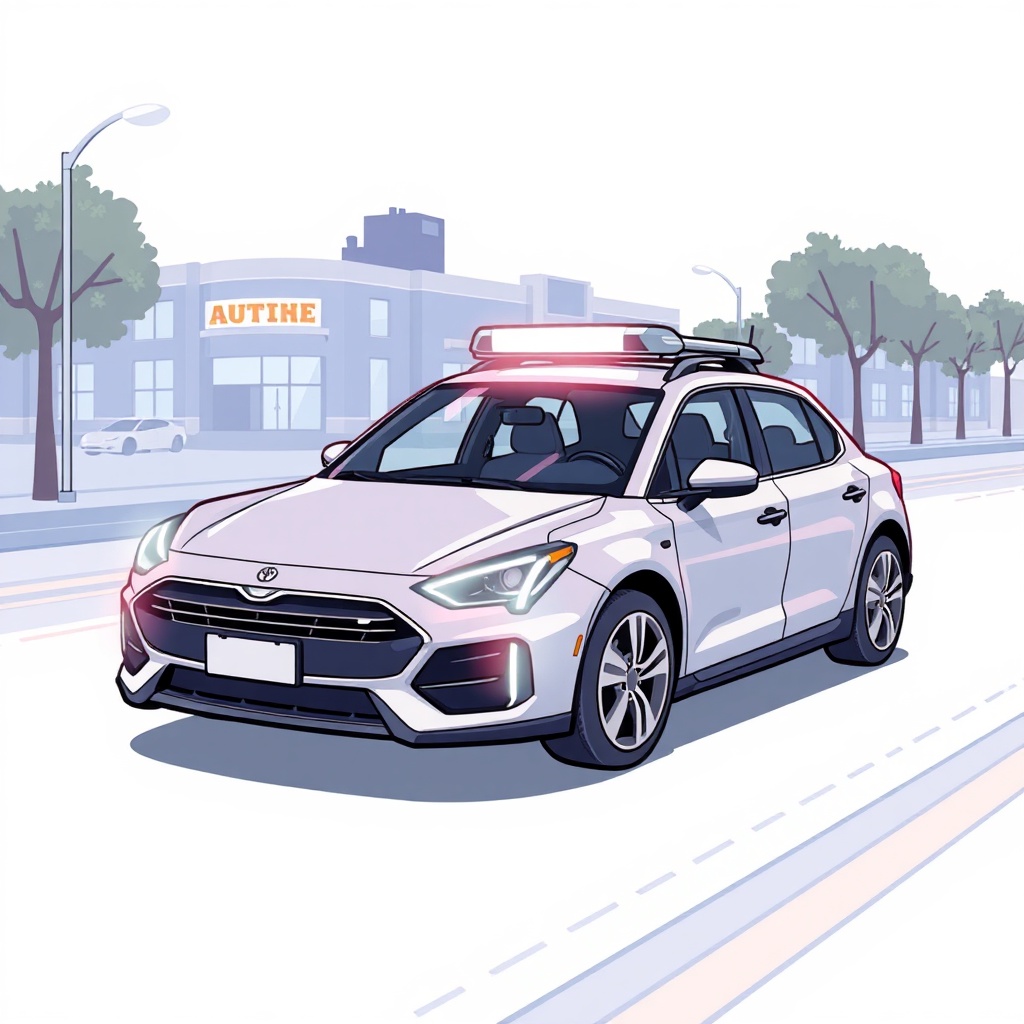
Shifts toward electric vehicles and improved safety tools don’t just change individual trips; they influence urban congestion, air quality, and the economics of driving. Choosing greener ride options when available and understanding the incentives for drivers can accelerate a cleaner, more reliable rideshare ecosystem—while making every trip easier and safer.
Check the Lyft app for specific local features, current ride options, and driver incentives available in your area.