Lyft’s Sustainability Push: What Riders and Drivers Should Know
Ride-hailing is evolving beyond convenience. Lyft is positioning sustainability and cleaner trips as core parts of its service, and that shift affects both riders and drivers in practical ways.
Whether you care about reducing emissions, saving on vehicle costs, or simply understanding new app features, here’s a concise guide to what matters and how to make the most of it.
What Lyft is changing
Lyft has introduced app features that let riders prioritize lower-emission vehicles, invested in partnerships that support electric vehicle (EV) adoption, and expanded micromobility options like e-bikes and scooters. These moves are designed to offer more choice, reduce per-trip emissions, and make it easier for drivers to transition to electric or hybrid cars.
For riders: choosing greener trips and planning smarter
– Use Green Mode: When available in the app, select the green or eco-friendly ride option to request a hybrid or electric vehicle. This is the most direct way to reduce the carbon footprint of a trip without sacrificing convenience.
– Combine micromobility and rides: Short trips in dense areas can be faster and greener on a rented e-bike or scooter.
Check the Lyft app for integrated options and route suggestions.
– Share trips where practical: When shared rides are offered and fit your schedule, they reduce per-passenger emissions compared with individual rides.
– Support drivers: Tipping and high ratings encourage drivers to remain on the platform, which helps the network scale its greener offerings.
For drivers: evaluating EVs and maximizing earnings
– Consider total cost of ownership: EVs often have lower fuel and maintenance costs, but evaluate charging, range, and upfront expense. Look for manufacturer incentives, local rebates, and any vehicle leasing options offered through the platform.
– Leverage platform incentives: Lyft sometimes runs programs or partners with charging providers and vehicle-leasing services to reduce barriers to going electric. Keep an eye on the driver app and email updates for localized offers.
– Plan charging strategically: Use charging hubs near popular pickup zones or overnight when rates are lower.
Fast chargers can reduce downtime but come with higher costs—balance cost and convenience for your operation.
– Optimize scheduling and acceptance: Earnings depend on strategic positioning, peak times, and efficient rides. Use destination filters, position near demand hotspots, and accept longer rides selectively to balance time and pay.
– Track expenses for tax purposes: Document charging, repairs, and platform fees. Accurate records help maximize allowable deductions and understand real profit margins.
What to expect from mobility integration
Lyft’s broader mobility approach includes public transit integrations, corporate partnerships for commuter programs, and expanded shared-mobility fleets.
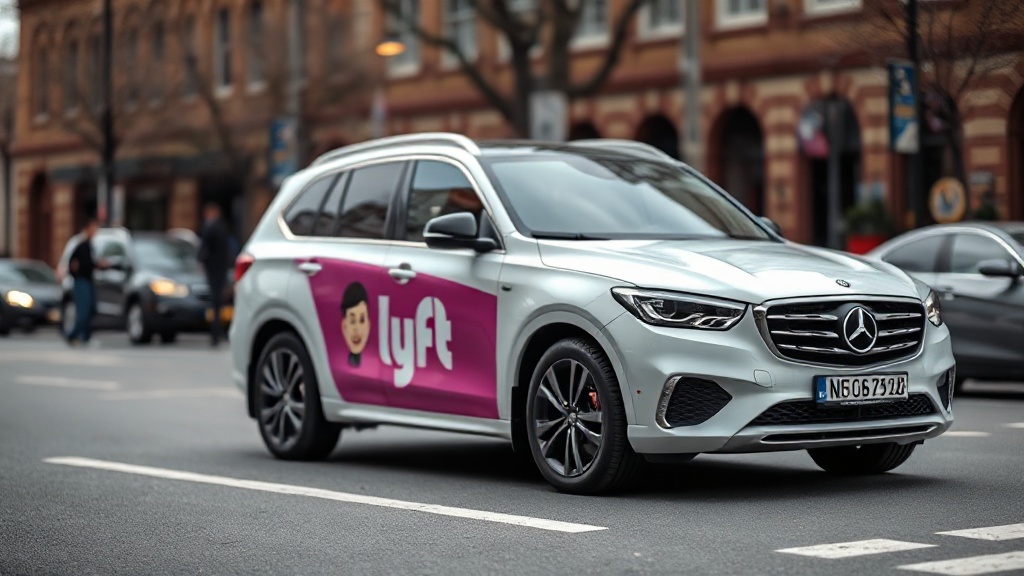
That means smoother multimodal trips inside a single app and more ways to move people without adding cars to the road.
How to stay informed
Check the Lyft app regularly for new features, driver communications, and local incentive programs. Local transit agencies and municipal mobility programs also publish partnerships and pilot programs in collaboration with ride-hailing services.
Making the shift practical and profitable
Greener mobility is more than a slogan—it’s a set of choices backed by technology, partnerships, and incentives. Riders can opt for lower-emission trips easily, and drivers can reduce operating costs over time by planning carefully and taking advantage of platform programs. The result is better value for users and a more sustainable transportation network overall.