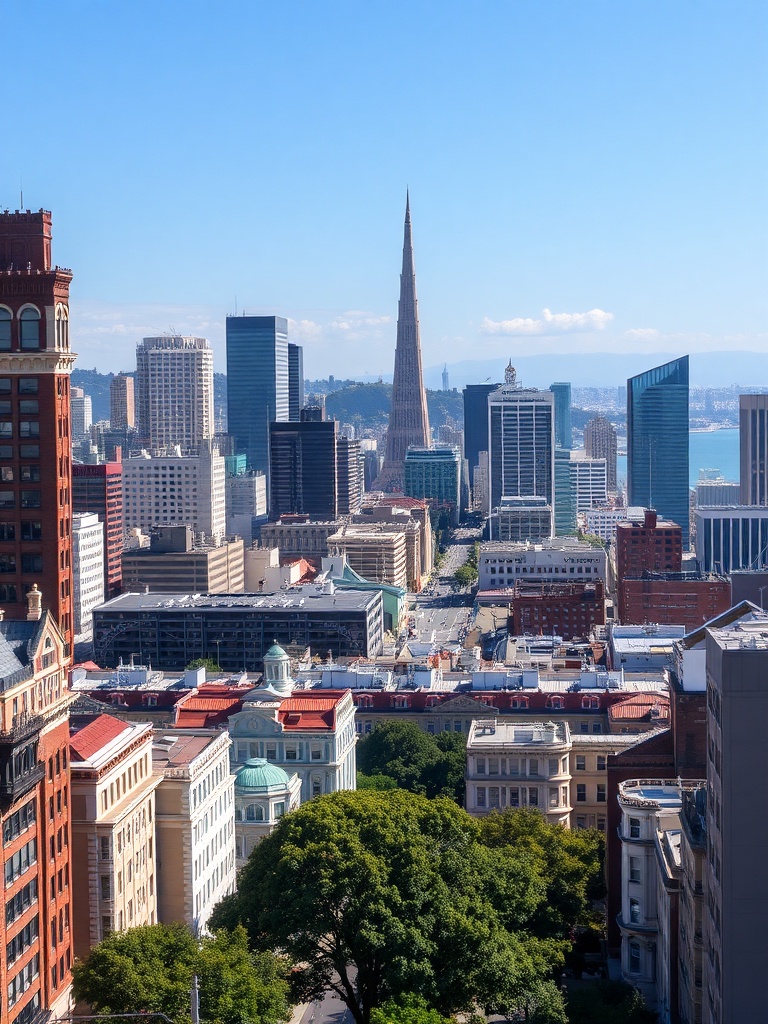
San Francisco is reshaping itself around sustainability, mobility and resilient public spaces — a shift that affects residents, commuters and visitors alike. Whether you care about biking to work, exploring the waterfront, or supporting neighborhood businesses, the city’s priorities make it easier to choose greener, more connected ways to get around and enjoy urban life.
Cleaner transit and smarter commutes
Public transit remains the backbone of city travel. Muni continues rolling out modern vehicles and more reliable service on key routes, while regional rail and ferry services focus on electrification and lower-emission options. For many commuters, combining transit with a short e-bike or scooter ride is the fastest, lowest-cost way to cross the city. Look for transit apps and official service alerts to plan multimodal trips that skip traffic and parking headaches.
Micromobility and safer streets
San Francisco’s bike lane network has expanded steadily, with protected lanes and traffic-calming measures making cycling a practical choice across many neighborhoods. Bike-share and dockless e-scooter programs complement personal e-bikes, letting short trips stay emission-free. If you’re new to urban cycling, stick to protected lanes and Cerf-approved helmets, learn hand signals, and avoid sidewalk riding where prohibited.
Drivers and cyclists alike benefit when everyone follows clear rules and shows mutual respect.
Waterfront resilience and public space
Rising seas and storm surges have prompted projects that blend engineering with nature. Look for shoreline upgrades that use living shorelines, raised promenades and redesigned piers to protect infrastructure while improving public access. These projects create attractive places to walk, bike, or watch the fog roll over the bay while also serving a practical role in climate adaptation.
Greening neighborhoods and urban trees
Parks, pocket gardens and tree-planting initiatives are visible across the city. Urban greening reduces heat, filters air, and supports stormwater management — and it makes neighborhoods more inviting. Volunteer tree planting and community garden programs welcome residents who want hands-on ways to improve local green cover and biodiversity.
Supporting local economies and resilient neighborhoods
Neighborhood small businesses are integral to the city’s character.
Farmers’ markets, independent cafes, and local retailers help anchor communities. Choosing to shop locally, dine at neighborhood restaurants, or rent in walkable areas helps reduce vehicle trips and keeps revenue circulating within the city.
Practical tips for visitors and residents
– Use transit and micromobility for short trips; parking is limited and expensive. – Pack a light jacket — coastal fog and shifting microclimates mean layers are essential. – Check official transit and ferry updates before traveling, especially during events.
– Explore beyond downtown: neighborhoods like the Mission, Richmond, Sunset and Bayview each offer distinctive food and cultural scenes.
– Respect park rules and wildlife, especially in sensitive coastal and shoreline habitats.
What to watch for next
Expect continued investment in zero-emission transit, expanded bike infrastructure, and community-led resilience projects. These efforts will keep shaping how people move, how neighborhoods adapt, and how public spaces are used — making the city cleaner, more livable, and better prepared for changing conditions.
Whether you’re commuting, visiting, or planting a tree in your block, the city’s shift toward sustainability and resilience is creating more options for living well while protecting places people love. Embracing multimodal travel, supporting local businesses, and engaging with community green projects are simple ways to be part of that change.