The San Francisco Giants remain one of baseball’s most compelling stories thanks to a blend of old-school fundamentals and modern analytics. Fans who follow the team closely know that success here is rarely about one offseason splash — it’s built on pitching depth, defensive cohesion, and a well-defined organizational identity that emphasizes development and adaptability.
Pitching-first identity
The Giants organization has long prioritized pitching. That starts at the top with a commitment to starting rotation stability and trickles down through the bullpen and farm system. Scouting and analytics work together to identify pitchers with repeatable mechanics, efficient pitch mixes, and the mental makeup to handle San Francisco’s pressure-packed atmosphere. Bullpen construction is treated strategically: multiple matchup arms, a primary closer piece, and multi-inning relievers who can bridge late-game stretches.
Depth matters, so look for continued investment in both high-upside arms and reliable swingmen.
Defense and ballpark fit
Oracle Park’s dimensions and marine-influenced conditions reward teams that build for the environment.
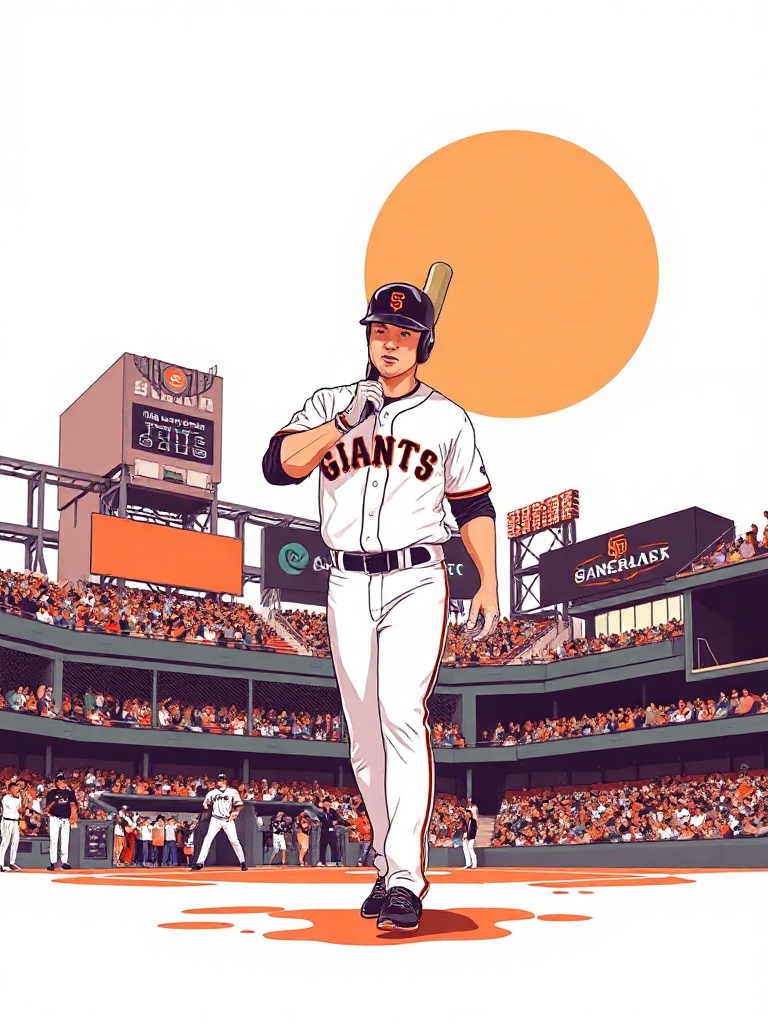
The Giants have historically emphasized strong outfield defense, versatile infielders, and catchers who can manage pitchers and control the running game. Defensive shifts and positioning are informed by data but executed with an eye toward fundamentals — glove work, route-running, and infield communication. A defense that saves runs is as valuable as a bat that produces them, especially in tight divisional matchups.
Balanced offense
Rather than relying on one-dimensional power, the best Giants lineups combine on-base skills, situational hitting, and selective power. Plate discipline and quality at-bats create pressure on opposing pitchers and drive run production over the long haul. Lineup flexibility — with hitters who can handle multiple positions and fill different roles — gives the manager options late in games and through injuries. Lefty-righty balance and the ability to put pressure on defenses with stolen bases and hit-and-run plays remain part of the offensive toolbox.
Prospect pipeline and development
A steady farm system keeps the club competitive without always needing blockbuster trades. Development focuses on individualized plans: pitchers refine secondary offerings, hitters improve launch angle and plate coverage, and athletes build strength without sacrificing flexibility. The organization looks for players who can contribute defensively early and add offensive polish over time. Prospects are often introduced to the big-league environment gradually, allowing confidence to grow while minimizing exposure to prolonged slumps.
Smart roster construction
Success for the Giants often comes from smart, surgical roster moves rather than big splashes. That means targeted free-agent signings, trades that fill specific needs, and an emphasis on clubhouse leadership. Veteran presence matters: experienced players help younger teammates navigate long seasons and postseason intensity.
Payroll discipline is also part of the approach—invest where it moves the needle: pitching, catchers, and top-of-the-order bats.
What fans should watch
– Pitching depth: Who emerges as a reliable middle-rotation arm or late-inning go-to reliever.
– Defensive metrics: Shifts in outfield range and infield run-prevention that translate into wins.
– Prospect arrivals: Young players who can inject energy and create lineup flexibility.
– Trade activity: Moves that solve immediate needs without sacrificing long-term health.
Fan culture and atmosphere
Giants baseball is as much about the fans as the roster. A passionate home crowd, a picturesque ballpark, and intense rivalries make every series meaningful. Whether it’s tactical adjustments on the field or roster decisions off it, the organization’s steady, development-first approach gives fans plenty to watch and root for as the season unfolds.