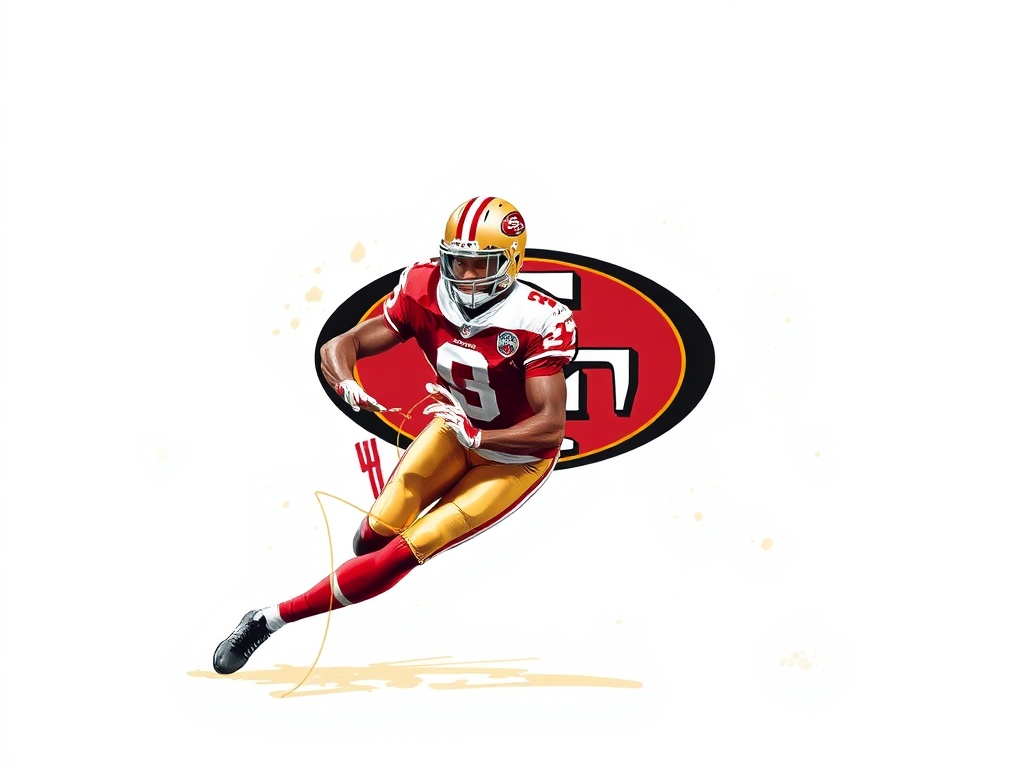
The San Francisco 49ers remain one of the NFL’s most recognizable franchises, blending a storied past with a modern approach that emphasizes creativity, physicality, and depth.
For fans, analysts, and casual observers alike, the team’s identity centers on an offensive system that creates mismatches and a defense that thrives on pressure and versatility.
Offensive identity: motion, misdirection, and a dominant run game
The 49ers’ offense is built around an athletic, multi-dimensional running game that sets the tone for play-action passing and outside-zone concepts.
Pre-snap motion and misdirection force defenses to hesitate, opening lanes for the running back and creating clear reads for the quarterback. The offensive line’s zone-blocking philosophy and willingness to pull guards for reach blocks are hallmarks that help sustain long drives and control the clock.
Quarterback play pairs intelligence with precision. When the passing game complements the run, big-play opportunities emerge through play-action, rollouts, and quick-game designs that exploit linebackers and safeties overcommitting. Additionally, creative use of tight ends and hybrid pass-catchers stretches defensive coverage and creates matchup advantages on intermediate routes.
Defensive strengths: pressure and scheme flexibility
On the other side of the ball, a defensive approach centered on generating consistent pressure has been effective. Defensive fronts rotate between multiple fronts and blitz packages to confuse protections and create one-on-one matchups for edge rushers. Versatility in the secondary—strong safety play and slot coverage—allows the defense to disguise coverages and force turnovers.
A focus on stopping the run first sets up more favorable down-and-distance situations, enabling the defense to be more aggressive on third down. Depth across the defensive line and linebacking corps helps mitigate the impact of injuries and fatigue across a long stretch of games.
Player development and roster construction
The organization prioritizes smart roster building: balancing veteran leadership with young, developmental talent. Success often comes from drafting players who fit the system and can be coached into specialized roles—whether that’s a zone-blocking lineman, a versatile tight end, or a movable defensive end. Free-agent signings tend to target scheme fits rather than headline stars, maintaining salary-cap flexibility and a complementary roster.
Special teams and situational football
Special teams remain a critical, sometimes overlooked, factor in tight games.
Reliable kicking, strong return units, and disciplined coverage can swing field position and momentum. Situational football—two-minute offense, red-zone efficiency, and third-down defense—often separates contenders from pretenders, and consistent execution in these areas is a recurring team focus.
Fan culture and game-day experience
Levi’s Stadium has become a hub for passionate fan support, tailgating culture, and community outreach programs.
The fanbase values toughness and continuity, frequently recognizing the grind of a physical schedule and rallying behind the team during long stretches. For those watching from afar, streams, radio broadcasts, and team-centric podcasts keep supporters connected between games.
What to watch going forward
Keep an eye on offensive health and depth at key positions: quarterback continuity, running back availability, and line play are central to sustaining the style that has defined the team. Defensive pass rush depth and secondary cohesion often dictate the team’s ability to close out tight games.
Draft and free-agent moves that emphasize scheme fit and versatility will likely continue to shape the roster’s trajectory.
Whether you’re a die-hard follower or a casual observer, the 49ers offer a compelling mix of history, strategic football, and a coaching philosophy that rewards precision and adaptability.