Lyft continues to shape urban transportation by blending convenience, safety, and sustainability. Whether you’re a frequent rider, occasional user, or someone considering driving for Lyft, understanding how the platform works and how to get the most from it helps save money, reduce stress, and make smarter mobility choices.
What Lyft offers
Lyft’s core service is on-demand ride-hailing through a user-friendly app.
Riders can choose from a range of ride types—economy, shared rides, larger vehicles for groups, and higher-end options for more comfort. Many markets also feature micromobility options such as scooters and bikes through partnerships or local programs, making Lyft a one-stop option for short hops and first/last-mile connections.
Safety and rider protections
Safety remains a focal point. Lyft provides in-app safety tools like real-time ride tracking, the ability to share trip status with contacts, and an emergency assistance button that connects riders to local authorities. Drivers undergo background checks and must meet vehicle and insurance requirements. For extra peace of mind, check the app’s safety features before you ride and confirm driver and vehicle details at pickup.
How to save on Lyft rides
– Use shared rides or economy options when available to cut fares.
– Compare estimated fares in the app before confirming a trip.
– Take advantage of subscription plans or recurring promotions for frequent riders; these often include ride discounts, reduced service fees, or priority pickup.
– Split fares with co-riders directly in the app to reduce individual cost.
– Book rides during non-peak hours or use scheduled rides to avoid surge pricing.
Tips for drivers
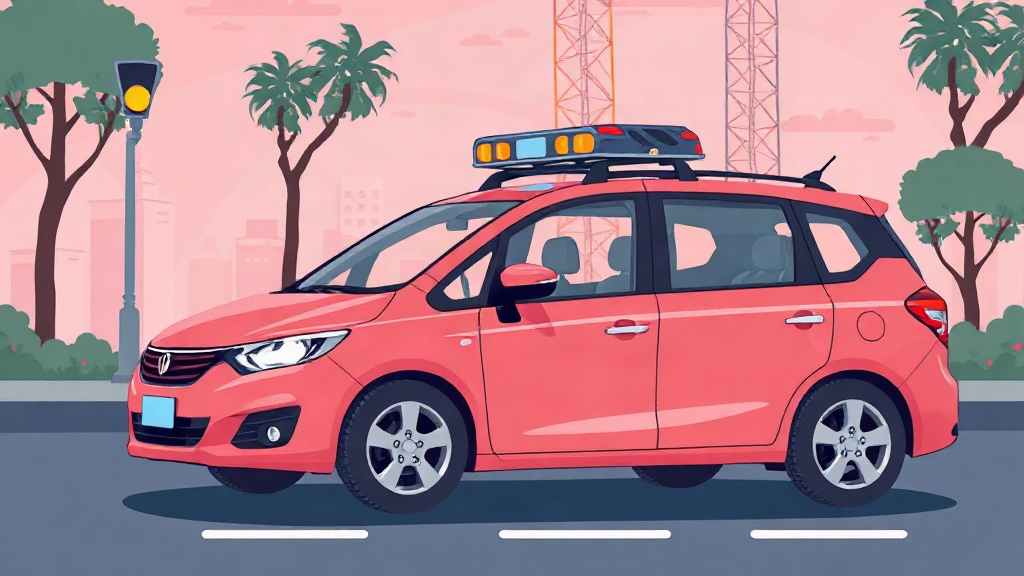
Lyft offers flexible earning opportunities with programs that help drivers rent vehicles, transition to electric vehicles, or access local incentives. To maximize earnings:
– Maintain a high acceptance and completion rate to qualify for more ride opportunities.
– Drive during high-demand windows like commute peaks, special events, and weekends.
– Keep your vehicle clean, comfortable, and well-maintained to boost tips and ratings.
– Explore rental and leasing options through the app if you don’t own a qualifying vehicle.
Sustainability and electrification
Lyft has prioritized lower-emission transportation and encourages drivers to transition to electric vehicles through incentives, partnerships, and charging support in select markets. Riders can often select EV or hybrid options when available to reduce their carbon footprint.
Integration with public transit
Lyft increasingly positions itself as a complement to public transit. The app may integrate transit options and real-time schedules in some cities, making it easier to combine rides with buses and trains for efficient door-to-door journeys. For short trips to transit hubs, consider micromobility or a short Lyft ride to save time.
Choosing the right ride
Pick the best Lyft option by matching vehicle type to trip purpose: economy for budget rides, shared for low cost, larger vehicles for groups or lots of luggage, and premium when comfort or reliability matters most. Use fare estimates, check surge notifications, and schedule ahead for airport or event travel.
Final practical checklist
– Verify driver and license plate before entering the car.
– Share your trip with a trusted contact.
– Compare ride options and fares in the app.
– Use shared rides, subscriptions, and promos to save.
– Keep an eye out for EV options if sustainability matters.
Lyft continues to evolve with new features and partnerships designed to improve rider experience, driver earnings, and environmental impact. Staying informed about app updates and local offerings ensures the smoothest, safest, and most cost-effective rides.