How Uber is Shaping Urban Mobility: Rides, Delivery, EVs, and Rider Safety
Uber has evolved from a simple ride-hailing app into a multi-dimensional mobility platform that affects how people move, eat, and work in cities. Whether you’re a rider, delivery customer, or driver, understanding the key trends can help you make smarter choices and get more value from the service.
What Uber offers today
– Rides: Core services include standard rides, pooled/shared options, premium tiers, and wheelchair-accessible vehicles in many markets.
– Delivery: Restaurant delivery remains a major business line, with features to track orders, schedule delivery windows, and contact couriers.
– Freight and logistics: Business-focused offerings help shippers book capacity and manage last-mile operations.
– Subscriptions: Monthly membership plans bundle ride and delivery benefits, often including discounts and priority support.
Electrification and sustainability
Uber has prioritized electrifying its fleet and reducing emissions.
Riders can often choose an electric vehicle option in-app, and drivers can find incentives to switch to EVs, such as charging credits, partnerships for discounted vehicles, or access to dedicated support programs. Cities and charging networks are increasingly collaborating with mobility platforms to expand public and curbside charging, making electric trips more convenient.
Driver economics and transparency
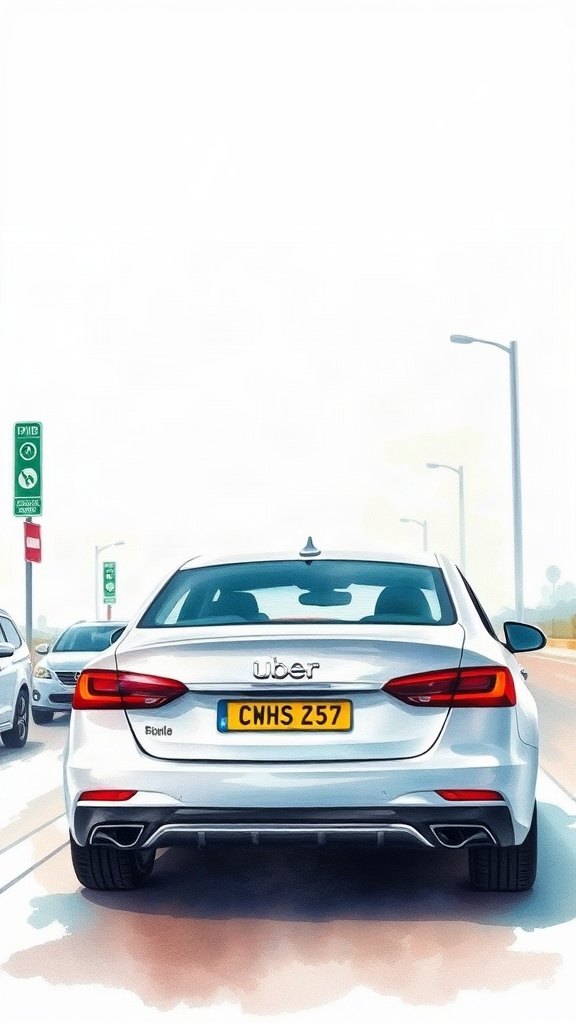
Driver earnings and flexibility remain central topics. Uber continually updates pay structures, incentive programs, and in-app tools to help drivers plan shifts and maximize earnings.
Useful features include guaranteed earnings for select blocks, destination filters, and real-time heat maps that show high-demand areas. For anyone considering driving, it’s wise to factor in vehicle costs, maintenance, insurance, and local regulations when estimating take-home pay.
Safety and rider protections
Safety is a major focus across services. In-app features commonly include real-time trip sharing, driver verification badges, an emergency assistance button, and the ability to report incidents confidentially. Background checks and ongoing monitoring for drivers aim to maintain standards, while improvements to rider verification and contact options reduce friction during pick-ups.
Smart ways to save and get better rides
– Use subscription plans if you use rides and delivery frequently—savings add up.
– Compare pooled/shared rides for short trips to lower costs and reduce emissions.
– Schedule rides in advance for airport transfers to lock in a fair price and reduce wait-time stress.
– Tip through the app to reward excellent service and retain quality drivers.
– Keep an eye on in-app promotions and partner discounts for local businesses or events.
Regulation and local dynamics
Local rules shape how the platform operates in each city—licensing, surge pricing caps, and driver classification debates all affect availability and pricing. Riders and drivers should stay informed about municipal updates and how they influence service levels and protections.
Looking ahead
Mobility platforms continue to expand beyond one-off trips into integrated urban services—combining rides, delivery, logistics, and sustainability initiatives. That shift means more options for riders and new revenue streams for drivers and local businesses.
Whether you’re planning daily commutes, ordering groceries, or exploring a city, staying aware of app features, safety tools, and cost-saving strategies will help you get the most from the platform.