Golden State Warriors: Why Their Style Still Shapes the Game
The Golden State Warriors remain one of the most influential teams in basketball, shaping how the sport is played, built, and watched.
Their identity is a blend of elite shooting, positionless defense, smart roster construction, and a culture that prizes unselfishness and execution under pressure.
Offense: spacing, movement, and the three-point DNA
At the core of the Warriors’ offensive philosophy is spacing and continuous motion.
Ball and player movement create open looks beyond the arc, forcing defenses to cover the entire floor. The team’s guards and wings are trained to read angles and make quick decisions — pull-up threes, catch-and-shoots, and off-ball cuts all flow from the same system.
The emphasis on efficient three-point shooting and layups over midrange isolation plays has influenced team-building across the league.
Transition and pace complement their halfcourt sets.
Quick outlet passes and early offense opportunities often turn missed shots into easy baskets. That balance between pace and precision keeps opponents guessing and maximizes scoring efficiency.
Defense: versatility and communication
Defense isn’t an afterthought.
The Warriors prioritize switching, help-side rotations, and disruptive playmaking from their forwards and guards. Versatile defenders who can guard multiple positions enable mix-and-match lineups that neutralize mismatches. Communication and team defensive principles — denying cuts, defending the first pass, and boxing out on every rebound — allow them to limit scoring runs despite often playing offensive-minded lineups.
Player development and roster strategy
A key to sustained success is player development. The organization invests in refining shooting mechanics, decision-making, and basketball IQ. Young players who understand spacing and pace often progress faster within this system. Veteran presences help accelerate that growth by modeling professional habits — preparation, film study, and situational awareness.
Roster construction balances star talent with complementary role players. Floor spacers, switchable defenders, and high-energy bench pieces are prioritized because they plug directly into the team’s identity. Analytics guide many of these decisions, focusing on impact factors like true shooting, turnover rate, and defensive rating.
Leadership and culture
Leadership is a hallmark. On-court leadership that trusts teammates and empowers movement without the ball cultivates selfless basketball. The team’s approach to accountability, open communication, and resilience in tight games has been repeatedly noted by opponents and analysts alike. That culture also helps maintain buy-in during stretches when adjustments are necessary.
Fan experience and the Chase Center
Home-court advantage is amplified by a passionate fanbase and a modern arena experience.
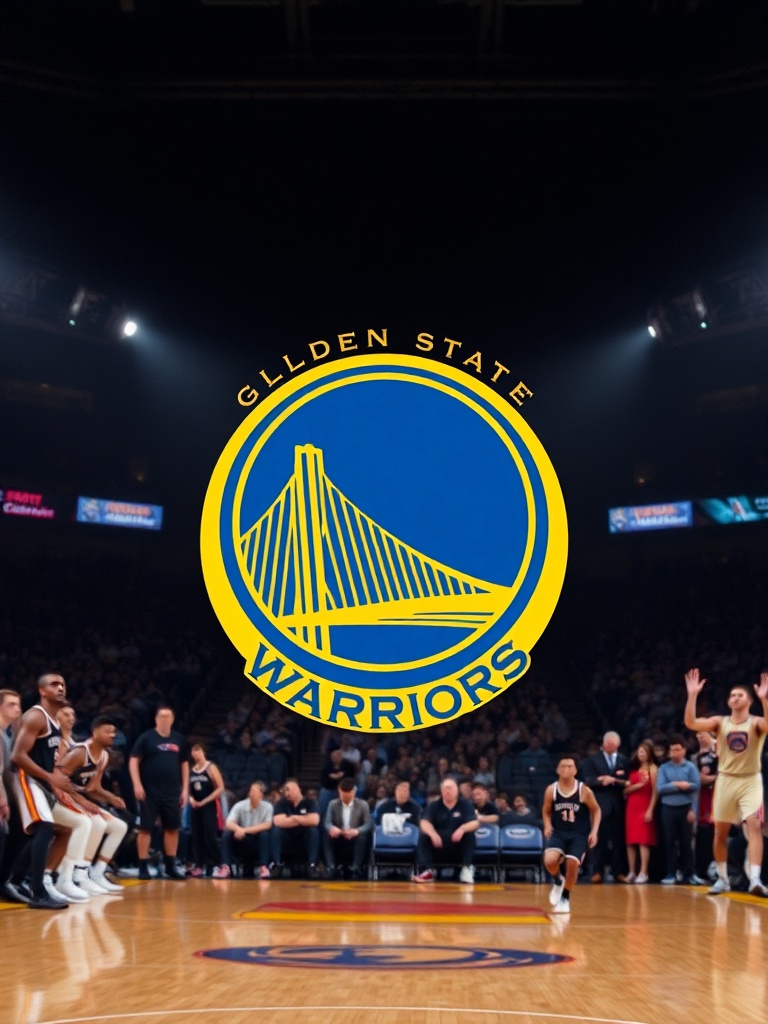
The venue offers premium amenities, strong sightlines, and an atmosphere that rewards the team’s fast-paced style. Fans expect a high-energy show, whether through shooting displays, transition plays, or late-game dramatics.
What to watch next
– Shot selection trends: How the team balances threes with paint attempts.
– Young player progression: Which role players step up in key minutes.
– Defensive rotations: How effectively the unit adapts to elite pick-and-roll opponents.
– Closing lineups: Which combinations deliver late-game stability.
Why it matters
The Golden State Warriors’ model demonstrates how a clear identity, commitment to development, and modern analytics can coexist with traditional leadership values. For teams, coaches, and fans looking to understand contemporary basketball evolution, their approach offers practical lessons on offense, defense, and team-building that remain relevant and adaptable.