How the 49ers Built a Modern Football Identity
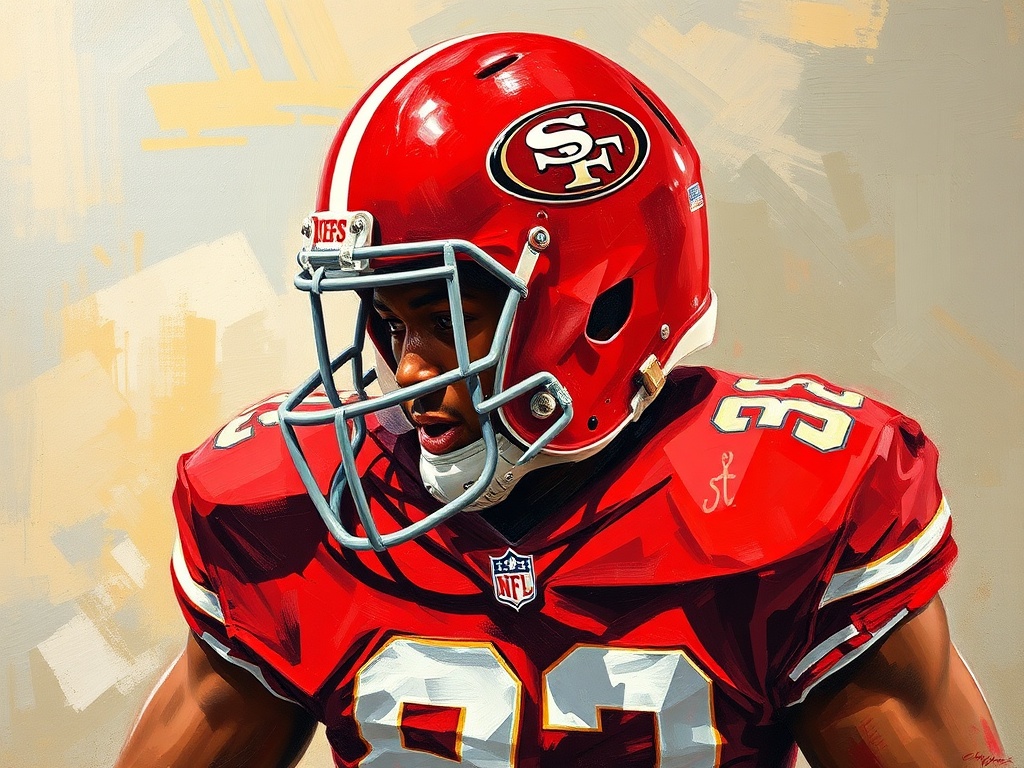
The 49ers combine old-school physicality with modern scheme design to create one of the league’s most dynamic identities. That mix—powerful defensive pressure, creative offensive play-calling, and a roster built for versatility—keeps the team relevant and exciting for fans and analysts alike.
Offense: scheme-first, players-second
The offense emphasizes pre-snap motion, play-action, and a zone-based running game that sets up high-percentage passing opportunities. The system maximizes spacing, uses misdirection to force defenders out of position, and frequently puts playmakers in space. A dominant tight end and a versatile running back, both key to creating matchup problems, get heavy usage in and out of the backfield. Quarterback play is framed around quick decision-making, accuracy on RPOs and play-action throws, and moving the pocket when necessary. The result: an offense that can grind out long drives or strike quickly with explosive plays.
Defense: pressure and versatility
Defensively, the 49ers prioritize disruptive pass rush and multiple fronts. Edge players who can win one-on-one matchups are complemented by interior defenders who collapse the pocket and make tackles in space. Linebackers and safeties who can cover and support the run create flexibility—allowing coordinators to disguise looks and create confusion for opposing quarterbacks.
That blend of speed, strength, and scheme aggressiveness often translates to turnovers, short fields for the offense, and consistently high defensive DVOA (efficiency) metrics.
Roster construction and talent development
A thoughtful mix of homegrown talent and targeted free-agent or trade acquisitions characterizes the roster strategy.
The front office focuses on drafting players who fit system needs and on development—turning mid-round picks into reliable starters through coaching, strength programs, and position versatility. When necessary, the team is willing to invest cap resources in premium playmakers, but there’s clear attention to maintaining long-term roster balance and depth.
Injury management and depth
Depth is a priority given the intensity of the game and the physical style the team plays. Cross-training players at multiple positions and emphasizing special-teams readiness keeps the roster resilient when injuries strike.
Medical and conditioning programs are integrated with coaching to ensure smart returns and reduce repeat injuries.
Fan experience and culture
Home games offer robust tailgating culture, local food options, and a passionate fanbase that spans several regional communities. The team’s identity is tied to the region’s history—its name recalls the Gold Rush heritage—and that cultural connection fuels a loyal following. Rivalries with nearby franchises add extra intensity to key matchups, and the franchise’s community initiatives—youth camps, educational partnerships, and charitable programs—keep fans engaged beyond Sundays.
Looking ahead
Sustained success depends on maintaining the balance between innovative scheming and smart personnel decisions.
Investing in player development, continuing to prioritize pass rush and offensive efficiency, and keeping an eye on cap flexibility will all be crucial. For supporters, the most reliable way to enjoy the team is to watch how the offense adapts and how the defense continues to set the tone—game after game, the 49ers aim to blend identity with adaptability, creating a brand of football that’s both effective and entertaining.