Marin County: Balancing Wild Places, Active Living, and Community Resilience
Marin County is known for sweeping coastal bluffs, cathedral redwoods, and a culture that embraces outdoor life.
From the fog-swept beaches of Point Reyes to the ridgelines of Mount Tamalpais and the quaint waterfront towns of Sausalito and Tiburon, the county continues to attract visitors and residents who value open space, active recreation, and small-town character.
Conservation and open space
Marin’s extensive open-space network is a cornerstone of regional identity. Large protected areas—national seashores, state parks, and local preserves—provide habitat for tule elk, shorebirds, and old-growth redwoods, while offering miles of trails for hiking, birding, and nature photography. Ongoing stewardship efforts focus on habitat restoration, invasive species control, and improving trail sustainability to reduce erosion and protect sensitive coastal environments.
Outdoor recreation and active culture
The region is celebrated for a long tradition of outdoor innovation. Mount Tamalpais and the nearby trails are magnets for hikers and mountain bikers; Marin is often credited with shaping modern mountain biking culture. Trail networks cater to a range of abilities, plus loop routes and coastal paths that reward effort with panoramic Bay views.
For a quieter outing, Muir Woods and smaller groves offer accessible walks beneath towering redwoods, though planning ahead is recommended for parking and peak times.
Coastal experiences
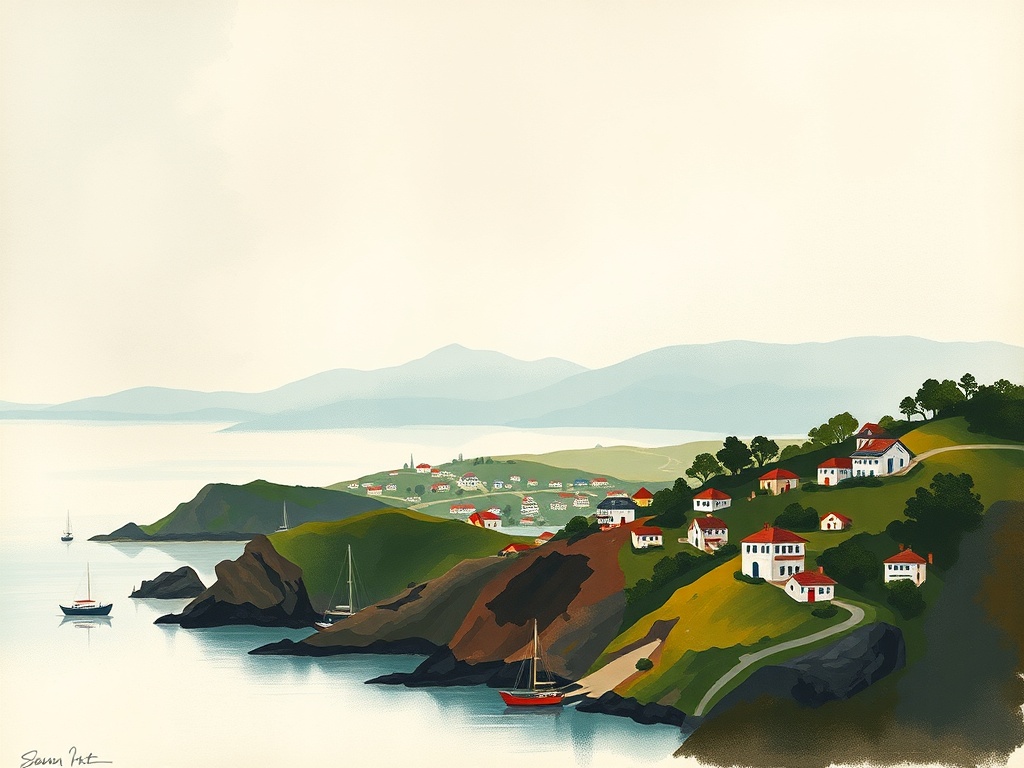
Point Reyes National Seashore provides rugged beaches, tidal estuaries, and a working agricultural landscape. Tide pools, migratory birdwatching, and scenic drives to the Point Reyes Lighthouse remain popular. Along Richardson Bay and other low-lying shorelines, communities are increasingly planning for changing tidal patterns and stronger storm surges, with nature-based solutions—such as restoring wetlands—being explored alongside traditional infrastructure.
Community resilience and wildfire readiness
The wildland-urban interface means wildfire preparedness is a top community priority. Local efforts emphasize defensible space around structures, community evacuation planning, fuel-reduction projects, and public education. Homeowners are encouraged to maintain vegetation clearance, use fire-resistant landscaping, and coordinate with local fire districts to enhance neighborhood resilience.
Housing, growth, and planning
Limited developable land and strong conservation values create tension between preserving open space and meeting housing needs. Recent approaches include promoting accessory dwelling units and modest-density infill near transit corridors to increase housing options while minimizing sprawl.
Thoughtful design and community engagement remain critical to balancing growth with the county’s character.
Sustainable tourism and local food
Visitors are drawn to Marin’s farmers markets, artisanal cheeses, and small-scale farms in West Marin. Sustainable tourism practices—like supporting local businesses, adhering to Leave No Trace principles, and using public transit or ferries—help protect fragile landscapes.
The Golden Gate Bridge and ferry connections make day trips from the city easy, but limiting impact during peak times preserves the experience for everyone.
Practical tips for visiting or living here
– Check trail conditions and parking rules before you go to avoid closures or restrictions.
– Observe tide schedules for beach and coastal outings.
– Respect wildlife and private agricultural land—stay on marked trails.
– Prepare for varied microclimates: coastal fog can give way to warm, sunny ridgelines.
– Support local markets and responsible outdoor recreation groups that fund habitat protection.
Marin County remains a model of how communities can cherish natural assets while tackling contemporary challenges such as climate impacts, wildfire risk, and housing supply. Thoughtful stewardship and community-minded solutions are central to keeping its hills, coasts, and towns vibrant for generations of residents and visitors.