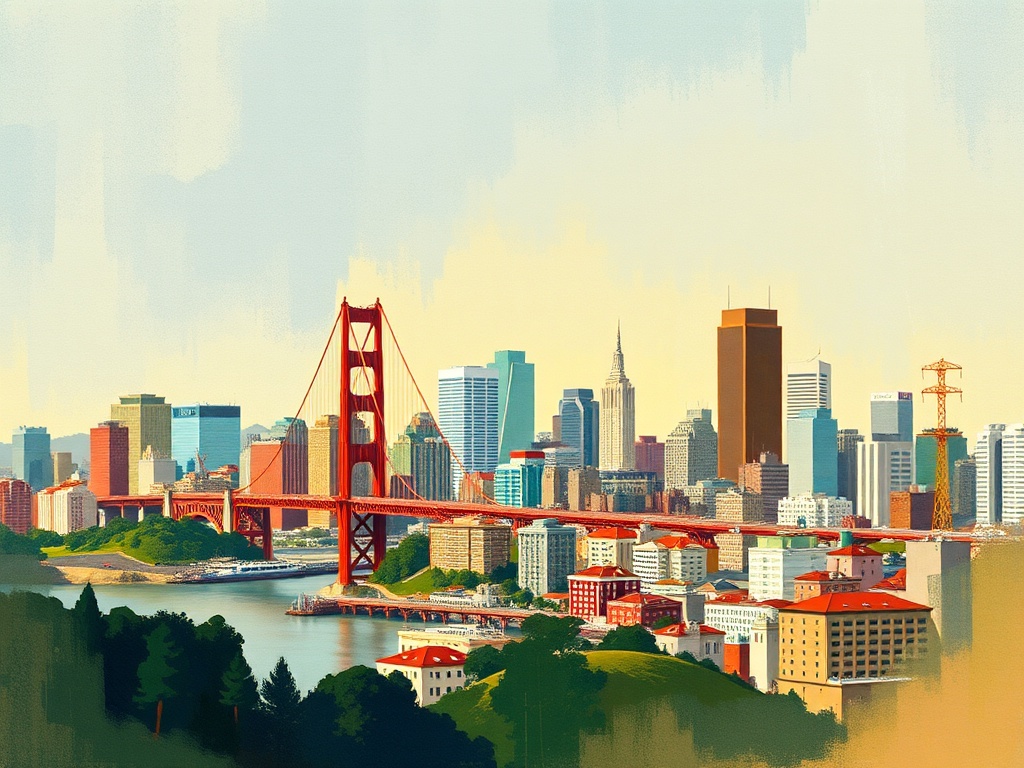
San Francisco packs a lot into a small footprint: dramatic hills, iconic bridges, and neighborhoods that each feel like their own city. For visitors and residents alike, knowing how to move, what to see, and how the city is adapting to change makes any trip smoother and more rewarding.
Dress for microclimates
One of the most practical tips for anyone heading to San Francisco is to layer up. Offshore fog and cool ocean breezes can make the waterfront markedly colder than inland neighborhoods. A light jacket, comfortable walking shoes, and a compact umbrella cover most scenarios. Weather can shift quickly, so packing adaptable layers is a small investment that pays off.
Getting around smartly
San Francisco’s public transit network and compact layout favor active travel. Buses, light rail, historic streetcars, and regional trains connect most major destinations; many visitors find a combination of transit and walking the best way to experience the city.
Bike lanes and shared e-scooters offer flexible short-trip options, while ferries provide scenic alternatives from across the Bay.
For peak convenience, consider planning trips around transit hubs and factor in hill terrain when choosing routes.
Neighborhood highlights
– Fisherman’s Wharf and the Embarcadero deliver the classic tourist circuit: waterfront promenades, ferry rides, and seafood stalls.
– Chinatown offers dense streets, vibrant markets, and cultural history that rewards slow exploration.
– The Mission is a hotspot for murals, independent coffee shops, and a high-quality, diverse food scene.
– Hayes Valley and SoMa blend boutique shopping, galleries, and museums with lively dining.
– For quieter stretches, the Sunset and Outer Richmond neighborhoods lead to expansive beaches and neighborhood bakeries.
Food and culture
San Francisco’s culinary identity is rooted in diversity and seasonal sourcing. From taquerias and dim sum houses to chef-driven tasting menus, the city is known for delicious contrasts. Farmers’ markets showcase local produce, while neighborhood bakeries and coffee shops offer everyday pleasures. Cultural institutions and independent galleries round out a creative ecosystem that supports local artists and makers.
Resilience and future-facing projects
Facing coastal exposure and seismic risk, San Francisco has prioritized resilience planning. Shoreline projects, upgraded infrastructure, and community-led adaptation efforts balance preservation of historic areas with the need to protect critical urban assets. Neighborhood-scale green spaces, improved stormwater management, and pedestrian-first street redesigns aim to make the city more livable and sustainable as conditions shift.
Housing and work patterns
Like many dynamic urban centers, San Francisco grapples with housing demand and evolving workplace habits. Hybrid work models and reimagined office spaces have influenced foot traffic and neighborhood rhythms, while local policies and community groups focus on housing affordability and neighborhood stability.
Practical tips
– Buy a transit pass for multiple-day stays to save on individual fares.
– Expect lines at popular attractions; visiting early or during off-peak hours improves the experience.
– Respect local regulations for shared scooters and parking.
– Explore beyond tourist hubs to discover food, shops, and parks loved by locals.
Whether you’re walking the hills, catching a ferry across the Bay, or hunting for the best burrito, San Francisco rewards curiosity.
Its neighborhoods, natural backdrop, and civic energy make it a place where familiar attractions coexist with ongoing reinvention—offering something new every time you return.