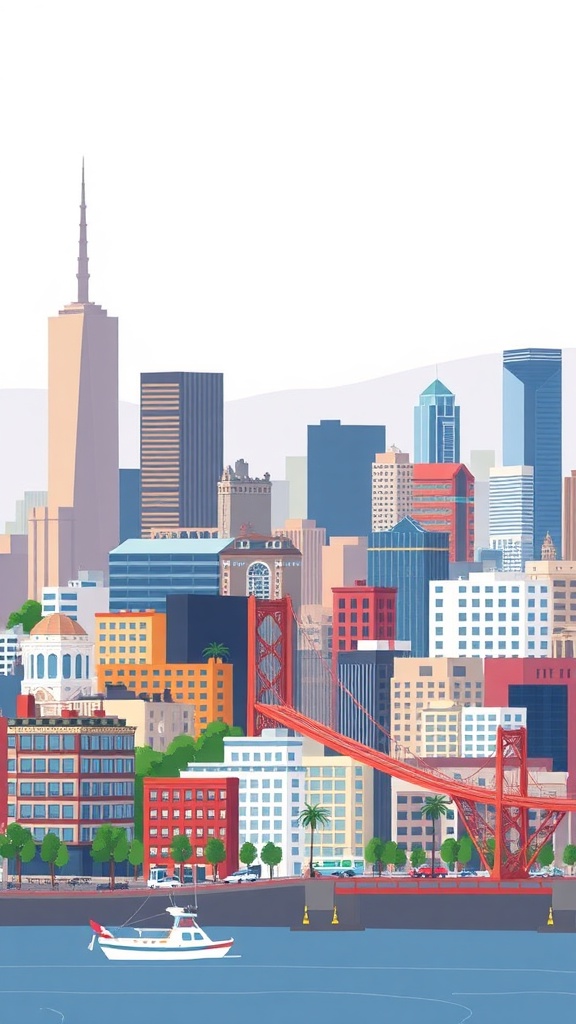
San Francisco is redefining urban mobility and waterfront living as it balances tech-driven growth with climate resilience and neighborhood culture. The city’s compact geography, iconic hills, and mixed-use neighborhoods make it a natural laboratory for multimodal transportation, sustainable planning, and food-forward experiences — all worth exploring whether visiting or planning life here.
A shift toward multimodal transit
San Francisco increasingly encourages a shift away from car dependence. Muni light rail, buses, historic cable cars, and regional rail services remain the backbone for getting around, while system modernizations and frequency improvements aim to make public transit a faster, more reliable choice.
The Clipper transit card and mobile payment options simplify transfers across agencies, and real-time apps help riders plan trips that combine rail, bus, ferry, and on-demand services.
Micro-mobility and cycling culture
Micro-mobility now fills many first- and last-mile gaps. Shared e-scooters, e-bikes, and docked bike-share programs complement protected bike lanes and bike-friendly routes that thread through neighborhoods like the Mission, Hayes Valley, and the Embarcadero. For hill-averse travelers, e-bikes make steeper rides manageable, expanding the parts of the city that are practical to access without a car.
Safety improvements and community-driven planning continue to shape a more comfortable cycling environment.
Waterfront living and climate resilience
San Francisco’s waterfront is both an asset and a focus for resilience work. Port districts and municipal agencies are investing in seawall upgrades, floodable parks, and adaptive infrastructure to reduce risk from storm surge and rising tides while preserving public access. These efforts aim to make piers, promenades, and ferry terminals more resilient and enjoyable, balancing recreation, transportation, and environmental protection.
Neighborhoods and local flavor
Part of San Francisco’s appeal is its neighborhood variety. From the artisanal food stalls at the Ferry Building Marketplace to the mural-rich streets of the Mission and the cafés of Hayes Valley, each district offers a distinct vibe. North Beach maintains its literary and Italian heritage, while the Richmond and Sunset provide quieter, residential pockets with excellent access to parks and beaches. Neighborhood-focused retail, farmer’s markets, and independent restaurants keep local economies vibrant.
Practical tips for getting around and enjoying the city
– Use the Clipper card or mobile payment tools to simplify transfers across transit systems.
– Combine modes: a Muni or BART trip plus a short bike or scooter ride often beats driving and parking hassles.
– Check real-time transit apps for service updates, as construction projects and events can change schedules and routing.
– Explore on foot where possible — many neighborhoods are compact, and walking reveals small-scale businesses and public art not seen from a car.
– For waterfront outings, consider ferries for scenic commutes and a different perspective on the Bay.
Why it matters
San Francisco’s emphasis on multimodal mobility, climate-smart waterfront planning, and neighborhood preservation shapes a city that aims to be more livable and equitable.
These trends influence everyday choices — from commuting habits to where people eat and socialize — and make local planning decisions relevant to residents and visitors alike. For those navigating or exploring the city, adopting a multimodal mindset unlocks more convenient, sustainable, and interesting ways to experience San Francisco’s unique urban fabric.