San Francisco’s Waterfront: How the City Is Adapting to Rising Tides and What Residents Should Know
San Francisco’s coastline is an asset and a challenge. With priceless views, thriving neighborhoods, and major infrastructure hugging the bay, planning for higher tides and stronger storms is a top priority. The city is pursuing a mix of engineered defenses, nature-based solutions, and community-focused planning to protect neighborhoods, transit, and economic activity.
Major projects are focused on the most vulnerable stretches of shoreline. Upgrades to seawalls and shoreline reinforcements aim to protect waterfront districts and critical infrastructure, while long-term strategies layer in living shorelines — restored wetlands, salt marshes, and native vegetation that absorb wave energy and provide ecological benefits. Combining hard infrastructure with natural buffers reduces risk while enhancing public access to the waterfront.
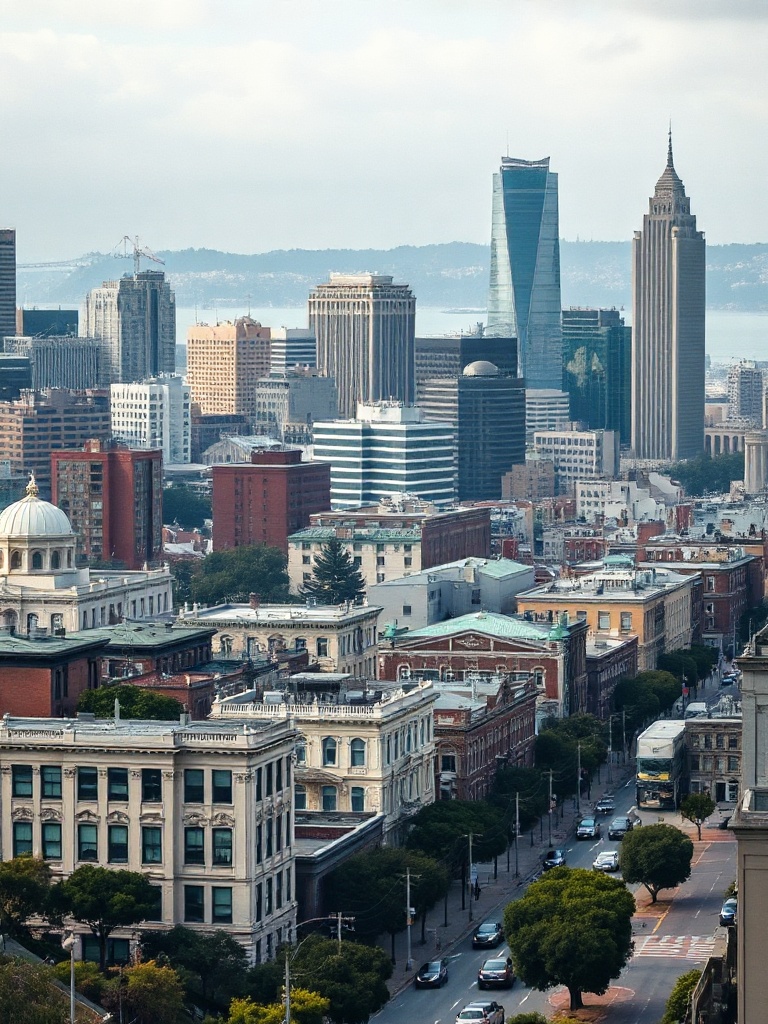
Neighborhood risk is uneven. Low-lying areas such as parts of the Mission Bay, Dogpatch, Hunters Point, and portions of the Embarcadero face heightened flood vulnerability during storm surges and king tides. Transportation hubs and utility corridors near the shoreline are also focal points for protection, since damage there can cascade into wider service disruptions. Planners are prioritizing projects that shield critical lifelines like transit, ports, and energy systems while exploring opportunities for managed retreat where necessary.
Community resilience is central to successful adaptation.
City agencies are engaging neighborhood groups to map local vulnerabilities and design site-appropriate interventions.
Programs that fund property-level floodproofing, elevate utilities and electrical systems, and support small-business preparedness help reduce immediate exposure.
Residents can participate in public workshops, track proposed shoreline projects, and advocate for equitable deployment of resources so frontline communities receive attention and investment.
Nature-based solutions offer co-benefits beyond flood protection. Restored marshes sequester carbon, support wildlife, and improve water quality. Expanded shoreline parks and trails provide recreation while acting as buffers. Initiatives that connect the Bay Trail with resilient green infrastructure create both safer circulation corridors and attractive public spaces.
Practical steps for residents and businesses:
– Check flood risk maps and sign up for local alerts to stay informed about coastal flood warnings and planned construction.
– Elevate critical systems where possible: move electrical panels, furnaces, and storage out of basements and ground floors.
– Consider flood insurance and document belongings to speed recovery after an event.
– Install flood barriers for doorways and use water-resistant materials in remodels for ground-floor spaces.
– Engage with neighborhood planning efforts and local advisory boards to voice priorities for shoreline projects.
Transportation and mobility planning is adapting in tandem. Transit agencies are evaluating vulnerabilities to tracks, tunnels, and terminals, and integrating resilience into station upgrades. Active transportation projects — protected bike lanes and pedestrian improvements along the waterfront — are being designed to remain functional during higher tides, providing reliable options when roads are impacted.
The waterfront’s future is not just about defense; it’s an opportunity to reimagine public space. Thoughtful design can transform flood mitigation projects into community amenities that expand access to the Bay, support biodiversity, and strengthen local economies. With proactive planning, local engagement, and a balanced mix of hard and soft solutions, San Francisco is positioning itself to protect its shoreline while enhancing the quality of life for residents and visitors alike.