Oakland’s identity is shaped by a powerful mix of culture, commerce and community-led creativity.
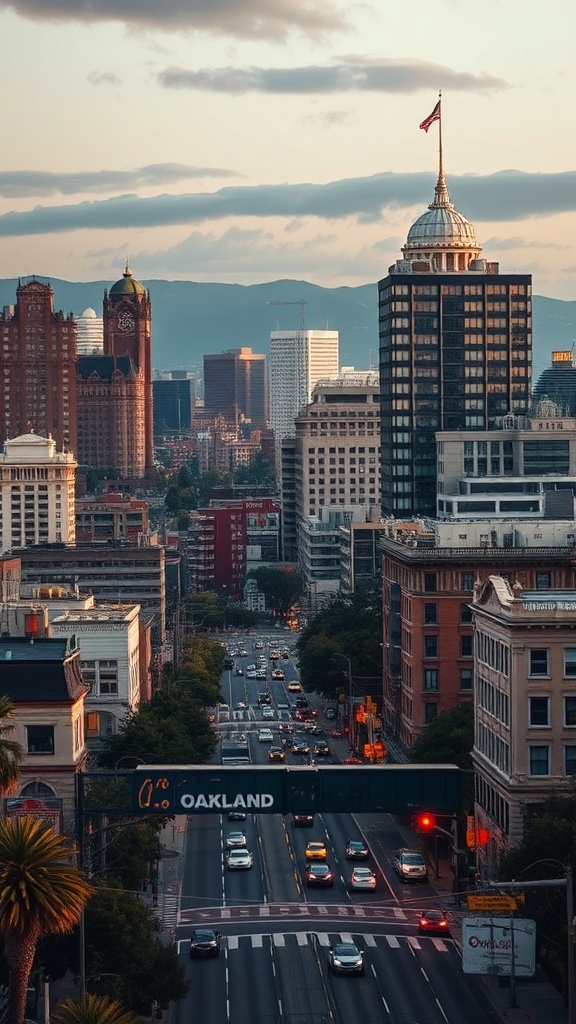
As the city continues to attract attention across the Bay Area, its strengths — from a thriving food scene to public art, transit access and climate resilience initiatives — make it a standout place to live, work and visit.
A hub for food and drink
Oakland’s culinary scene blends global flavors with small-business entrepreneurship.
Neighborhoods like Temescal, Fruitvale and Uptown host everything from longtime family-run taquerias and dim sum houses to inventive farm-to-table restaurants and craft breweries. Weekly farmers markets and pop-up events keep fresh, local ingredients in the spotlight, while a growing number of cafés and bakeries support a strong coffee and pastry culture. Dining here often doubles as a community experience, with chefs and owners invested in neighborhood roots and inclusive atmospheres.
Art, music and public culture
Street murals, independent galleries and live music venues make art visible on every block. Community-driven murals tell neighborhood histories and add color to public spaces; arts organizations and artist collectives keep programming accessible and experimental.
Live music ranges from intimate jazz and soul nights to festivals that draw diverse audiences. For visitors and residents alike, Oakland’s arts ecosystem is both a cultural attraction and a driver of local identity.
Economic shift and neighborhood evolution
Oakland benefits from proximity to major tech and finance centers, and that attention has fueled new development. This brings both opportunity and challenges: revitalized commercial corridors, mixed-use projects and transit-oriented development can boost economic activity, while rising housing costs and displacement remain urgent concerns. Local investments in small-business support, affordable housing programs and community land trusts aim to preserve neighborhood diversity and ensure long-term residents share in economic gains.
Transit and walkability
Reliable transit access, including regional rail and bus corridors, contributes to Oakland’s appeal.
Transit-oriented development near major stations encourages walkable neighborhoods and reduces reliance on cars. Many neighborhoods are prioritizing safer bike lanes and pedestrian improvements, making it easier to navigate by foot or bike while connecting to regional transit for longer commutes.
Climate resilience and green infrastructure
Climate adaptation is central to Oakland’s planning priorities.
Urban forestry programs, shoreline resilience projects and improved stormwater management are part of a broader effort to protect neighborhoods from extreme weather and rising tides. Community gardens and park improvements not only enhance quality of life but also contribute to climate mitigation by increasing tree canopy and green space in dense urban areas.
Experiencing Oakland
For a first-time visitor, exploring Lake Merritt, Jack London Square and the eclectic street life of downtown provides a strong introduction. Neighborhood strolls reveal local cafes, independent bookstores, galleries and public markets. Whether you’re sampling diverse cuisines, attending a neighborhood festival or taking in public art, Oakland rewards curiosity and encourages deeper connections with local communities.
Oakland’s story is one of resilience, creativity and evolving opportunity. With community-driven initiatives shaping development, a dynamic cultural landscape and a growing emphasis on sustainability, the city continues to offer a rich, layered experience for residents and visitors seeking an authentic urban scene.