Why the 49ers’ System Keeps Turning Talent into Wins
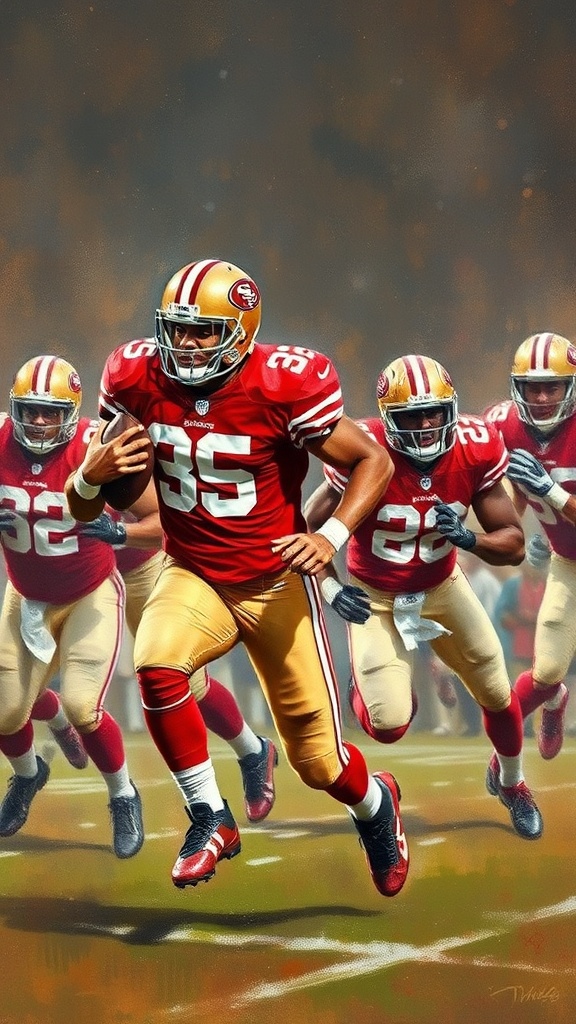
San Francisco 49ers success isn’t accidental.
It’s the product of a clear organizational identity: aggressive offensive design, physical defense, and a front office that prioritizes smart roster construction and player development. That combination has kept the team competitive and made it a model other franchises study.
Offensive identity: scheme over singularity
The 49ers offense is renowned for scheme versatility. Under a creative play-caller, the system emphasizes play-action, pre-snap motion, and misdirection to create favorable matchups for skill players.
That approach helps maximize a mobile, accurate quarterback’s strengths and opens lanes for a dynamic running game. Adding elite pass-catching talent and a versatile running back amplifies play-action effectiveness and keeps defenses guessing on every down.
Quarterback development is central. The coaching staff prioritizes reads that simplify progressions and leverage protection packages, allowing young quarterbacks to make quicker decisions and avoid costly mistakes. This isn’t just about raw arm talent; it’s about putting players in the best possible position to succeed within the offense.
Defense: pressure and simplicity
On the defensive side, the identity is straightforward: generate pressure and limit big plays. A dominant pass rusher who can win one-on-one battles forces quarterbacks into quick decisions, while a disciplined secondary plays tight coverage and minimizes risky throws. The front seven plays with physicality against the run and uses stunts and disguised looks to confuse opposing lines. This balance of pressure and coverage helps keep the field short for the offense.
Front office and roster construction
Sustained competitiveness requires strategic roster management. The front office blends high-value draft picks, savvy free-agent acquisitions, and targeted trades to build depth along the offensive line, add explosive skill players, and shore up the defensive front.
Emphasis is placed on players with scheme fit and high football IQ rather than just name recognition. Salary-cap flexibility is treated as a priority to preserve the ability to address needs when they arise.
Player health and depth
Injuries are part of football, so depth becomes a competitive advantage.
The team invests in cross-training players at multiple positions, uses load management in practice, and leans on trusted veterans to mentor younger contributors. A strong depth chart allows the team to maintain consistency even when key players miss time.
That’s often the difference in playoff runs and sustained success.
Culture and coaching
A winning culture thrives when coaching staff, front office, and players share expectations: accountability, attention to detail, and a willingness to adapt.
Coaches who communicate clearly and adjust game plans to personnel maximize each player’s strengths.
When veterans lead by example and younger players buy into the system, the team operates as a cohesive unit rather than a collection of stars.
Fanbase and market impact
The Bay Area fanbase is passionate and knowledgeable, offering one of the most electric home atmospheres in the league. That support helps attract players who want to compete at a high level in front of engaged crowds. Community programs and local partnerships also strengthen the relationship between team and city, building a lasting brand beyond wins and losses.
What to watch next
Key indicators to monitor are quarterback play under pressure, offensive line health, defensive pass rush productivity, and how well mid-season adjustments are executed. Continued success will hinge on maintaining depth, evolving the playbook, and sustaining the culture that turns potential into performance.
For fans and observers, the 49ers remain a fascinating case study in how coherent strategy, disciplined roster building, and strong leadership can combine to produce consistent contention. Keep an eye on how the team balances innovation on offense with the physical identity that defines its defense.