San Francisco: how to experience the city’s neighborhoods, transit, and outdoor life
San Francisco remains one of the most compelling cities on the West Coast, balancing iconic sights with a constantly evolving local culture. Whether visiting for a long weekend or navigating life as a resident, a few practical strategies help make the most of the city’s neighborhoods, transit, food scene, and outdoor offerings.
Getting around
Public transit is the most efficient way to move between neighborhoods.
The regional transit network links neighborhoods to the airport and suburbs; on short trips, buses, light rail, and historic streetcars provide frequent service. Contactless payment options are widely accepted, and reloadable transit cards offer the best value for regular riders. For last-mile travel, dockless bikes and e-scooters are plentiful; follow local rules and yield to pedestrians when using them.
Neighborhoods to explore
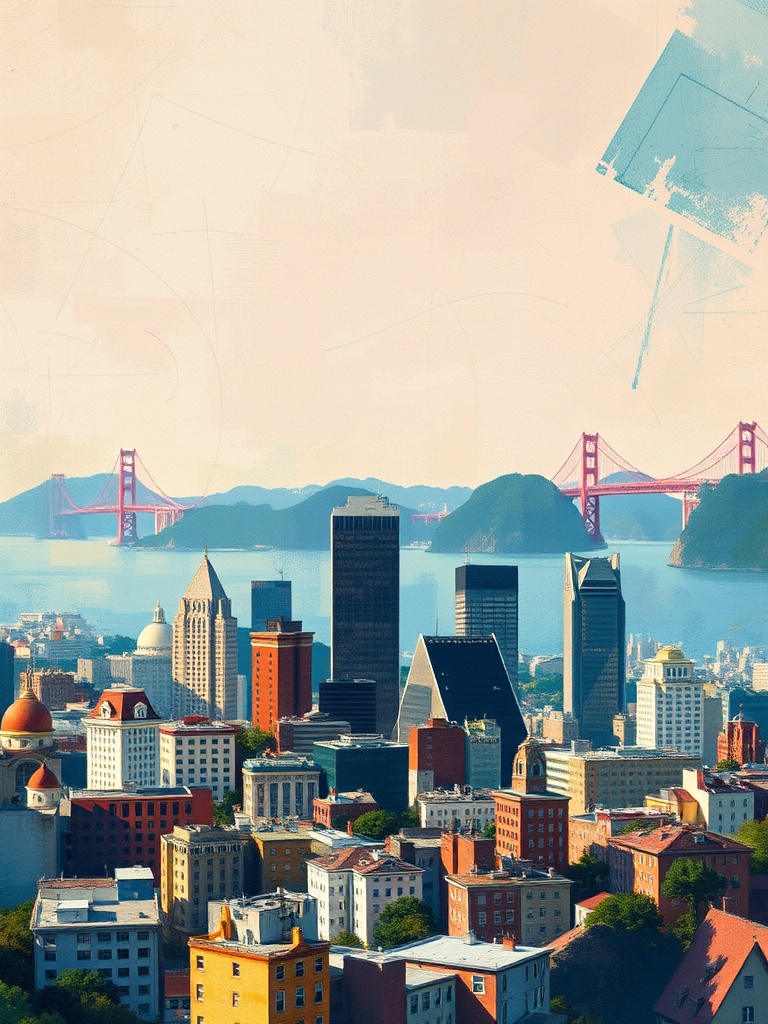
– Financial District & SoMa: Business hubs by day; find museums, contemporary restaurants, and rooftop bars by night.
– North Beach & Chinatown: Dense with cafes, bakeries, and classic restaurants—perfect for food-focused wandering.
– Mission District: Murals, independent shops, and a thriving Latinx culinary scene are highlights; try a local taquería or contemporary fusion spot.
– Hayes Valley & Civic Center: Boutique shopping, tasting rooms, and cultural venues create lively pedestrian streets.
– Richmond and Sunset: Quieter residential neighborhoods with excellent access to parks, beaches, and diverse eateries.
Outdoor highlights
San Francisco’s natural attractions are surprisingly close to the urban core. Golden Gate Park offers miles of trails, gardens, and cultural institutions; the Presidio provides wooded overlooks, restored military sites, and scenic trails that end at dramatic coastal viewpoints. For panoramic city views, head up to Twin Peaks or the Lands End cliffs; morning fog can add dramatic atmosphere, so dress in layers and expect microclimate changes within short distances.
Food and drink scene
The city’s culinary identity blends heritage eateries with experimental kitchens. Farmers’ markets and independent purveyors supply a wealth of seasonal produce, fueling menus across neighborhoods. Expect a strong emphasis on sustainability, local sourcing, and plant-forward options.
For quick bites, seek out neighborhood bakeries, dim sum parlors, or casual seafood counters; for special occasions, look for chef-driven tasting menus or intimate wine bars.
Practical tips
– Dress in layers: microclimates mean cool, foggy mornings can give way to sunny afternoons.
– Wear comfortable shoes: streets are famously hilly and often cobbled.
– Book popular attractions and tours ahead of time to secure preferred times.
– Be mindful of parking and congestion in tourist-heavy areas; public transit is often faster.
– Respect local rules for bikes and scooters—park them in designated racks and avoid sidewalks.
Safety and responsible travel
San Francisco is vibrant and diverse, but like any major city, it has areas where extra awareness is wise—keep valuables secure, stay on well-lit streets after dark, and follow local guidance for navigating transit stations. Supporting local small businesses and neighborhood initiatives helps sustain the city’s cultural fabric.
Why it still matters
San Francisco’s blend of natural beauty, cultural diversity, and continual reinvention keeps it compelling. From sunrise walks over the bay to neighborhood cafés and late-night live music, the city rewards curiosity and an easygoing pace. Plan ahead, explore off the beaten path, and let the city’s many layers reveal themselves one neighborhood at a time.