Getting around San Francisco well makes the difference between a rushed visit and a memorable experience.
The city’s compact footprint, varied neighborhoods, and mix of transit options make it ideal for exploring without a car—especially if you plan ahead and embrace sustainable choices.
Why ditch the car
Traffic and parking are costly and often scarce. Many of the city’s highlights are clustered close together or connected by reliable public transit.
Choosing transit, bike, or walking reduces stress, cuts emissions, and reveals hidden corners you’d miss from a vehicle.
Smart transit moves
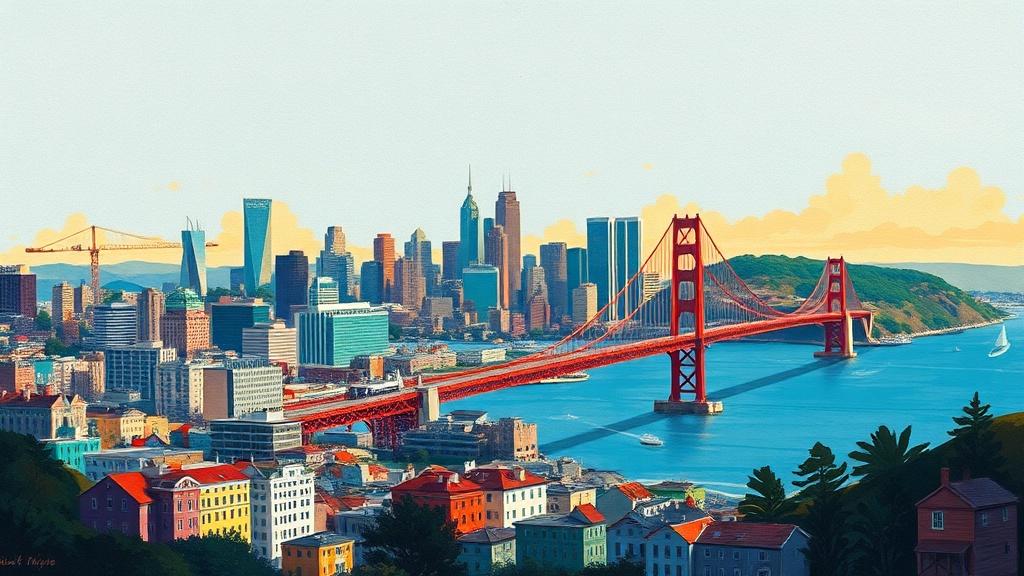
San Francisco’s transit network combines regional rail, light rail, buses, historic cable cars, and ferries.
Use a regional transit card or the official transit apps for cashless fares and real-time arrivals.
Peak times get busy, so allow extra time for connections.
For waterfront trips, ferries offer scenic routes between San Francisco and neighboring communities and are a comfortable alternative to surface traffic.
Bike-friendly exploration
Cycling is one of the best ways to see the city. There are protected bike lanes in many neighborhoods and a well-traveled route across the Golden Gate Bridge that leads to Sausalito and other Marin County destinations.
Key tips:
– Wear layers and a helmet; fog and wind can be brisk on exposed routes.
– Use dedicated bike crossings and follow lane rules—pedestrians are everywhere.
– If you want a one-way outing, ferries and bike-friendly transit allow return options without retracing your path.
Dockless bike-share and scooters are widely available for short trips; treat them like shared transit and park them responsibly.
Walking neighborhoods that reward slow travel
San Francisco’s character is best felt on foot. Plan walking time in these areas:
– Embarcadero and Ferry Building: waterfront strolls, makers’ markets, and great views of the Bay Bridge.
– Fisherman’s Wharf and Pier 39: tourist attractions and bay access—best combined with nearby waterfront walking to avoid crowds.
– Chinatown and North Beach: tight streets, specialty shops, and remarkable food trails within blocks.
– Mission District: murals, diverse eateries, and café culture along a compact corridor.
– Golden Gate Park and the Presidio: expansive green spaces, shorelines, and museum options that reward relaxed exploration.
Safety and comfort
San Francisco’s microclimates mean temperatures and conditions change block by block. Pack a light jacket and comfortable shoes. Stay aware of surroundings—popular public spots can be crowded, and pickpocketing is a possibility in tourist-heavy areas.
Nighttime transit is generally available but check schedules and choose well-lit stations.
Sustainable and practical tips
– Combine modes: ride transit to a neighborhood, then explore on foot or by bike.
– Rechargeable transit cards and contactless payments make shorter stops seamless.
– Book ferries or specialty tours in advance for guaranteed space on popular routes.
– Respect local regulations for e-scooters and dockless bikes; improper parking can block sidewalks and hurt accessibility.
Plan for the unexpected and savor the variety. San Francisco rewards curiosity: a short transit ride can take you from coastal vistas and iconic bridges to lively food streets and quiet urban parks. Traveling thoughtfully makes the city more enjoyable for everyone and leaves more time to soak up the views.