San Francisco 49ers: What’s Driving Their Identity and What to Watch
The 49ers remain one of the NFL’s most discussed franchises because of a distinct blend of offensive creativity, defensive versatility, and roster depth.
Fans and fantasy managers pay close attention to how the team builds around a run-heavy scheme that morphs into play-action shots and designed quarterback runs. Here’s a breakdown of the elements shaping the team’s identity and what matters for those following week-to-week.
Offense: Power, Motion and Play-Action
The offense is built on a foundation of pre-snap motion, zone-run principles, and play-action deception. That scheme forces defenses to respect the run, creating spacing for intermediate and deep passing concepts. The quarterback is asked to process defenses quickly, make the right read, and deliver accurate timing passes. A strong offensive line and a dynamic rushing attack set up efficient third-down conversions and explosive plays off play-action.
Key skill positions — from the lead running back to the wide receiving corps and tight end — are designed to work within spacing concepts. Receivers gain leverage by selling run actions and working into open zones.
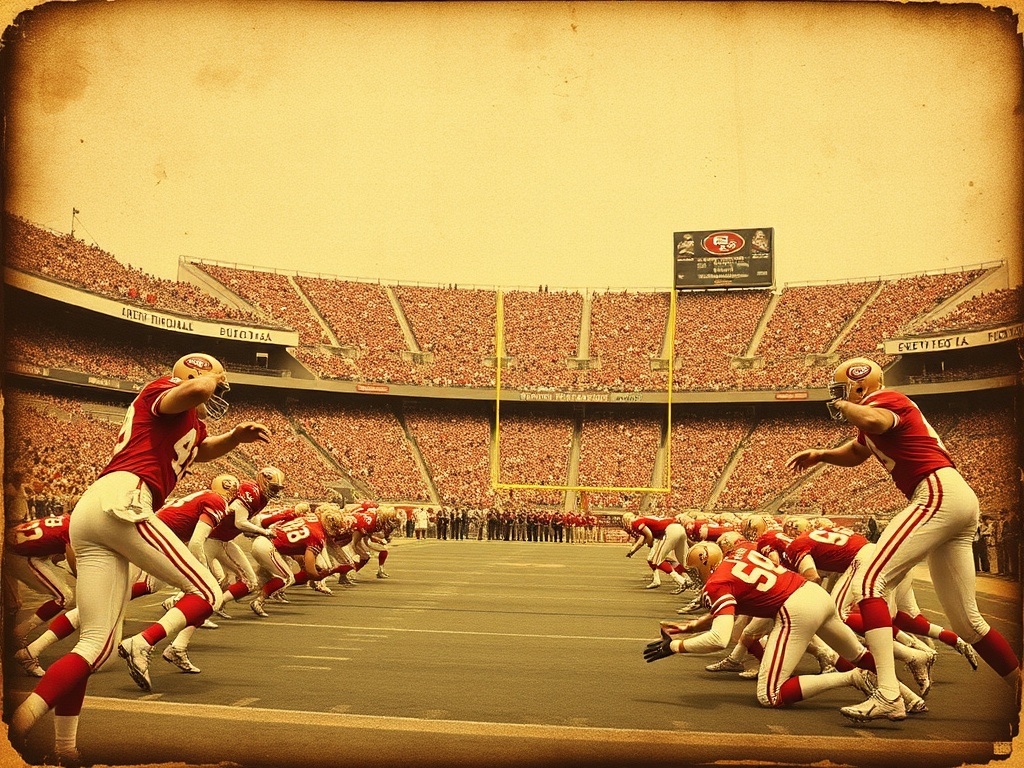
The tight end is often a matchup weapon, both in line-blocking and as a seam threat. Red-zone execution prioritizes versatility: power runs, quick passing, and formation shifts to force favorable matchups.
Defense: Versatility and Pressure
Defensively, the team emphasizes versatility and multiple fronts. A mix of base and nickel personnel allows defensive coordinators to nickel-and-dime opponents, disguise pressures, and drop into complex coverage shells. Edge rushers are tasked with forcing hurried throws and collapsing the pocket, while inside linemen control gaps to stop inside runs.
Linebackers are expected to handle coverage duties on tight ends and running backs while maintaining run-fit discipline.
Defensive backs must be comfortable in press coverage and zone rotations to neutralize intermediate throws off play-action. Success hinges on communication, disciplined angles, and finishing tackles — especially in the kicking and return game where field position swings matter.
Coaching and Game Management
Coaching philosophy centers on maximizing matchups and making halftime adjustments. Creative game-planning includes scripted opening drives, situational play-calling, and calculated fourth-down decisions based on analytics and personnel.
Special teams play — from reliable placekicking to disciplined coverage units — often decides close games, making depth and coaching attention essential.
Roster Depth and Injuries
Depth across offensive line, receiver, and defensive back positions keeps the team resilient through injuries and short-week challenges. Young talent developing behind veterans provides rotational options and sparks in situational packages. Health management — load management for skill players and recovery protocols for linemen — contributes to sustained performance across the grind of the schedule.
Fantasy and Betting Considerations
For fantasy managers, target players who are built into the scheme: the lead back in workhorse roles, pass-catching tight ends, and receivers who operate in favorable route trees. Quarterback rushing upside adds scoring floors, while defense and special teams consistency can be a tiebreaker in tight matchups. Injuries and matchup-based game scripts are key drivers for lineup decisions.
What to Watch Moving Forward
Monitor how the coaching staff adjusts to evolving opponent tendencies, how young players earn increased roles, and how the offensive line holds up against elite pass rushers.
Expect a team that leans on structure, situational awareness, and versatile playmakers. When those pieces align, the 49ers’ combination of powerful run game and explosive play-action makes them a perennial playoff threat and an exciting team to watch on any given Sunday.