San Francisco’s microclimates: how to pack, plan and make the most of your visit
San Francisco is compact but wildly varied. A five-mile drive can take you from sun to thick fog, from balmy hills to bone-chilling wind off the Pacific. Understanding the city’s microclimates makes sightseeing more comfortable and helps you get the most from neighborhoods that often feel like different cities.
Why microclimates happen
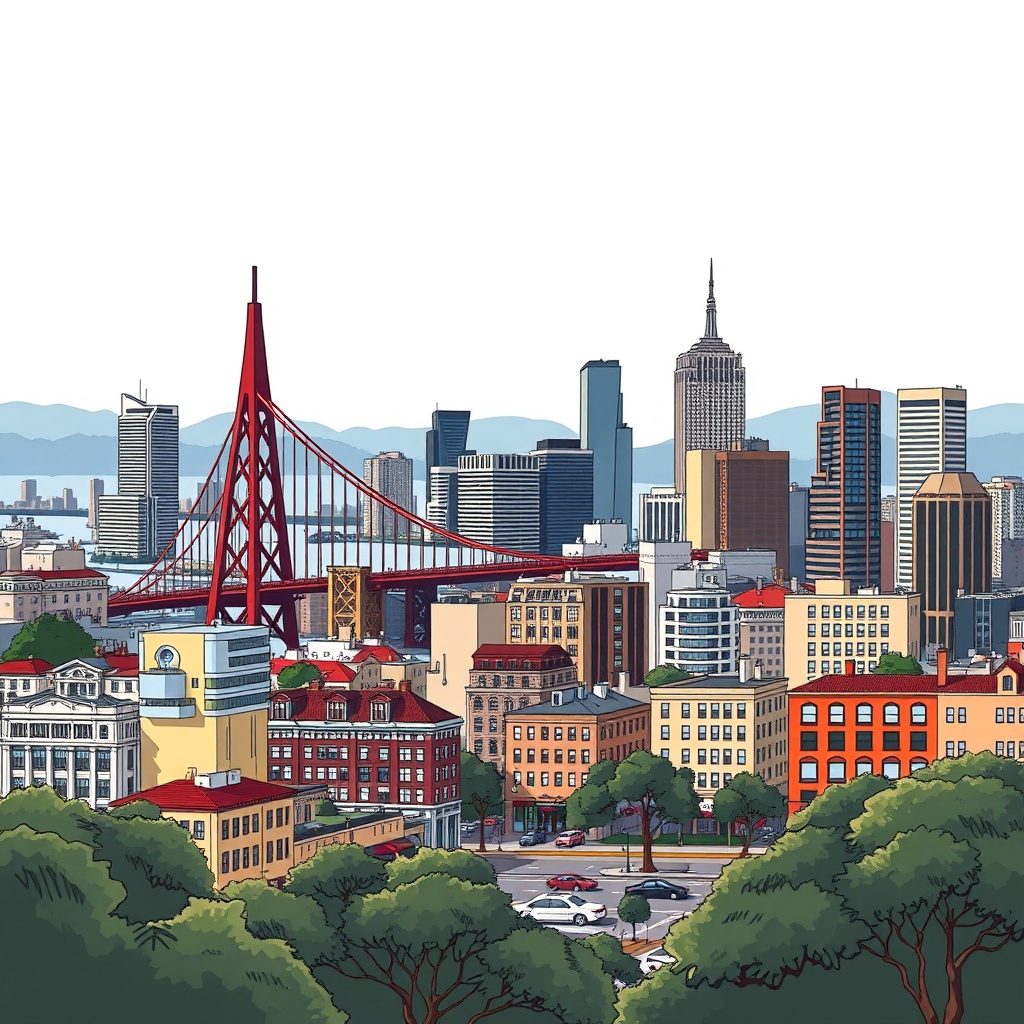
The city’s position on a peninsula between a cool ocean and warmer inland valleys, combined with dramatic hills and urban canyons, creates localized weather patterns. A marine layer pushes through the Golden Gate and clings to western neighborhoods while eastern and southern pockets enjoy clear, warm conditions. Elevation, building layout and vegetation all tweak temperature and wind at the block level.
What to expect by neighborhood
– Coastal and western areas (Ocean Beach, Richmond, Sunset): frequent fog, brisk winds and cooler temps. Expect damp, chilly air even when the sun is shining inland.
– The Golden Gate Bridge and Presidio: dramatic fog and wind at the waterline; views vanish quickly when the marine layer moves in.
– Golden Gate Park: cooler and breezy; microclimates inside the park vary with tree cover and proximity to the coast.
– Downtown, Embarcadero and Financial District: breezy but often sunnier than the western coast; skyscrapers can create wind tunnels.
– SoMa and South Beach: generally sunnier and warmer, popular for tech offices and waterfront walks.
– Mission District, Noe Valley, Bernal Heights: among the sunniest and warmest parts of the city; ideal for outdoor dining and walks.
– Twin Peaks and higher hills: cooler, windy and panoramic; a good place to layer up for dramatic cityscapes.
Packing tips that actually work
Layering is the easiest way to stay comfortable. Lightweight base layers, a warm mid-layer and a windproof outer shell cover nearly every scenario. A compact travel umbrella isn’t a priority for the city’s typical drizzle, but a packable windbreaker and a hat that won’t blow away are lifesavers.
Comfortable shoes with good traction are essential for steep streets and uneven sidewalks.
How to plan your day
Start with a local forecast, then layer in neighborhood-specific expectations.
If you want clear views of the Golden Gate, plan to visit mid-morning when the marine layer has sometimes burned off; for a sun-soaked Mission brunch, head east. Combine indoor and outdoor options so you’re not stranded if fog rolls in—visit a museum or café while waiting for views to return. Public transit and short rideshare hops are convenient ways to chase sunnier microclimates without parking hassles.
Local habits and culture
Locals joke about “Karl the Fog,” but beyond the nickname is a practical culture of layering, late-afternoon café sit-ins and adaptable plans. Outdoor dining often includes heaters and blankets where needed. Farmers markets, street festivals and rooftop bars all cater to quick weather swings—bringing a sweater matters even for seemingly warm days.
Longer-term considerations
The city is actively adapting to shifting coastal conditions and fluctuating weather patterns, with shoreline projects and infrastructure investments aimed at protecting neighborhoods and transit corridors. Visitors should respect signage and temporary closures around waterfront areas, where precautionary measures may appear.
San Francisco’s weather is part of its charm. Embrace the variety, pack smart, and plan your route by neighborhood. You’ll find that a little preparation turns unpredictable conditions into chances for memorable views and neighborhood discoveries.