San Francisco: Navigating microclimates, waterfront access, and urban resilience
San Francisco remains a magnetic city for visitors and residents who crave a compact mix of culture, outdoor life, and forward-thinking urbanism. To make the most of the city, it helps to understand three defining features: the famously fickle weather, the evolving waterfront, and neighborhood-driven food and transit scenes.
Microclimates and what to pack
One of the first lessons is that San Francisco is a patchwork of microclimates. Mornings often start cool and foggy along the coast—“Karl the Fog” still makes daily cameo appearances—while inland neighborhoods can warm quickly by afternoon. That means layers are essential: a lightweight windbreaker, a warm mid-layer, and comfortable shoes.
Sun protection is smart even on overcast days because UV can be strong.
For outdoor plans, check a localized forecast and aim to time beach visits for mid-afternoon when the fog tends to break.
Waterfront access and coastal resilience
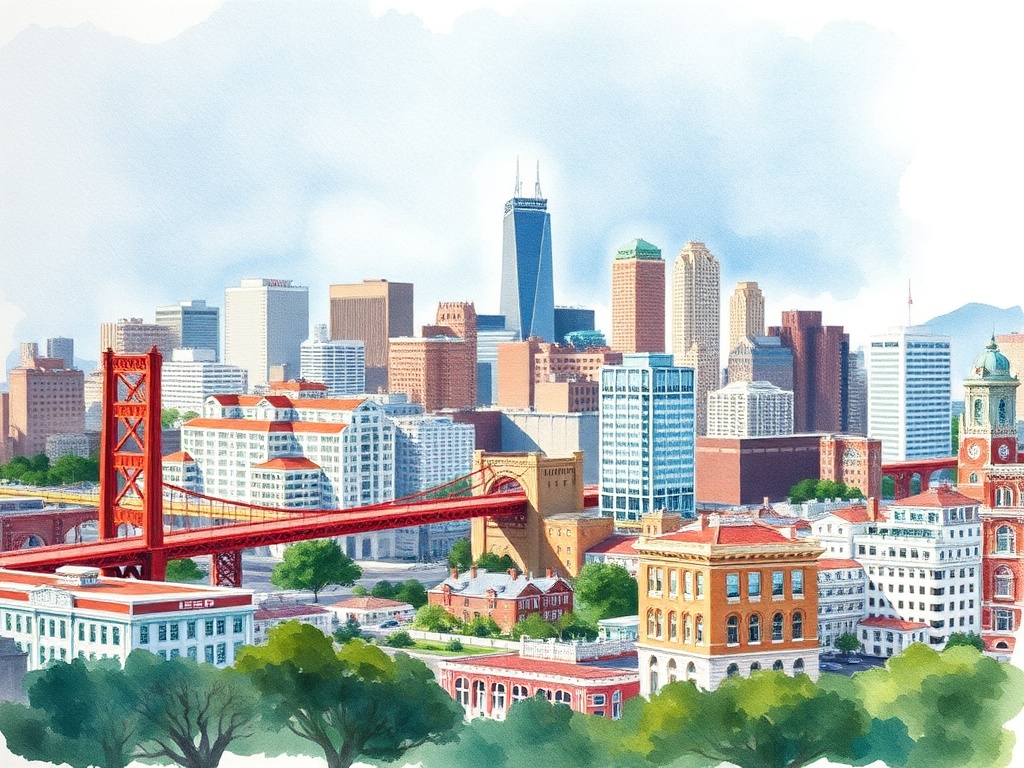
The waterfront serves as both a public amenity and a test bed for climate-forward design. Trails along the Embarcadero, the Presidio’s coastal paths, and the robust network of piers and promenades make it easy to access the bay for walking, biking, and ferry rides. At the same time, city planners and community groups are introducing resilience measures—natural buffers, raised walkways, and adaptive public spaces—to respond to rising water levels and frequent storms.
These interventions aim to preserve scenic access while protecting critical infrastructure and public amenities.
Neighborhoods worth exploring
Each neighborhood offers a distinct personality. The Mission District continues to be a cultural and culinary hub, with taquerias, bakeries, and inventive restaurants sharing storefronts with vibrant murals.
North Beach blends Italian coffee culture with literary history and lively nightlife. The Marina and Cow Hollow are ideal for waterfront strolls and boutique shopping, while the Richmond and Sunset districts offer quieter residential streets and access to Golden Gate Park and Ocean Beach. For a mix of green space and design-forward public art, the Presidio offers expansive views and trails that feel far removed from urban density.
Getting around
Public transit remains practical for many trips; Muni buses, light rail lines, and BART connect key corridors, while ferries offer scenic commutes across the bay. Cycling is increasingly viable thanks to expanded protected bike lanes and bike-share options.
For shorter hops, ride-hailing and scooters fill in, but be mindful of traffic patterns and local regulations—parking and pickup zones can be limited in denser neighborhoods.
Food, culture, and outdoor life
Food lovers can feast on a roster of offerings: seafood at the Ferry Building Marketplace, casual bites in the Mission, and Michelin-level tasting menus scattered across the city. Outdoor culture thrives—Golden Gate Park, Crissy Field, and coastal trails provide year-round options for running, birdwatching, and picnicking. Museums and independent galleries continually refresh their programs, while weekly farmers’ markets and neighborhood festivals highlight local producers and artists.
Why it continues to draw people
San Francisco’s compact scale, scenic setting, and mix of innovation and counterculture keep it compelling.
The interplay of ocean, hills, and neighborhoods creates a city that rewards exploration—whether you’re chasing foggy vistas, island-like tranquility in a park, or the next great taco. Pack layers, plan around microclimates, and leave time to wander: the city rewards curiosity.