San Francisco delivers a compact, endlessly walkable mix of iconic sights, eclectic neighborhoods, and weather that changes by the block. Whether planning a short visit or considering a longer stay, a few practical tips and local highlights make the experience richer and easier.
What to see and do
– Golden Gate Bridge and the Presidio: Start with classic views — walk or bike across sections of the bridge, then explore the Presidio’s trails, overlooks, and historic sites.
Battery Spencer and Crissy Field are reliable spots for sweeping photos.
– Waterfront and ferries: The Ferry Building Marketplace offers artisanal food, weekend farmers markets, and an easy gateway to Bay ferries.
Ferries are scenic and often faster than driving for many trips across the bay.
– Neighborhoods: The Mission District pulses with mural art and vibrant taquerias; Chinatown is full of narrow alleys, markets, and historic temples; North Beach blends Italian cafes and Beat-era history; the Castro and Haight-Ashbury each still reflect strong cultural legacies.
– Parks and viewpoints: Golden Gate Park rivals city parks worldwide — botanical gardens, museums, and quiet lakes. For panoramic cityscapes, Twin Peaks and Lands End are top choices.
– Unique attractions: Alcatraz tours are memorable but can sell out, so book ahead. Historic cable cars remain a novelty worth a ride, and the city’s museums deliver strong art, science, and cultural programs.
Getting around
San Francisco’s compact grid and dense neighborhoods make walking one of the best ways to discover hidden corners. Public transit options include light rail, buses, historic cable cars, and regional trains.
A contactless transit card or app simplifies transfers across systems. For scenic commutes, ferries to neighboring cities reduce traffic stress. Rideshares and e-scooter services fill gaps for late-night or cross-bay trips; be mindful of bike lanes and pedestrian-heavy areas.
Weather and packing
Microclimates are a defining feature: sunny downtown can be chilly by the water, while higher elevations catch stronger winds. Layering is essential — pack a light jacket and windbreaker even when skies are clear. Comfortable walking shoes matter more than city-style footwear; many streets are steep and paved with cobblestones or cable car tracks.
Food and nightlife
The city’s culinary landscape reflects global influences and a strong farm-to-table ethic. From classic sourdough and fresh seafood to innovative tasting menus and late-night taquerias, options suit every budget. Neighborhood bars and intimate music venues host lively local scenes; reservations are useful for popular restaurants, and exploring smaller neighborhood spots often yields memorable meals.
Living considerations and practical advice
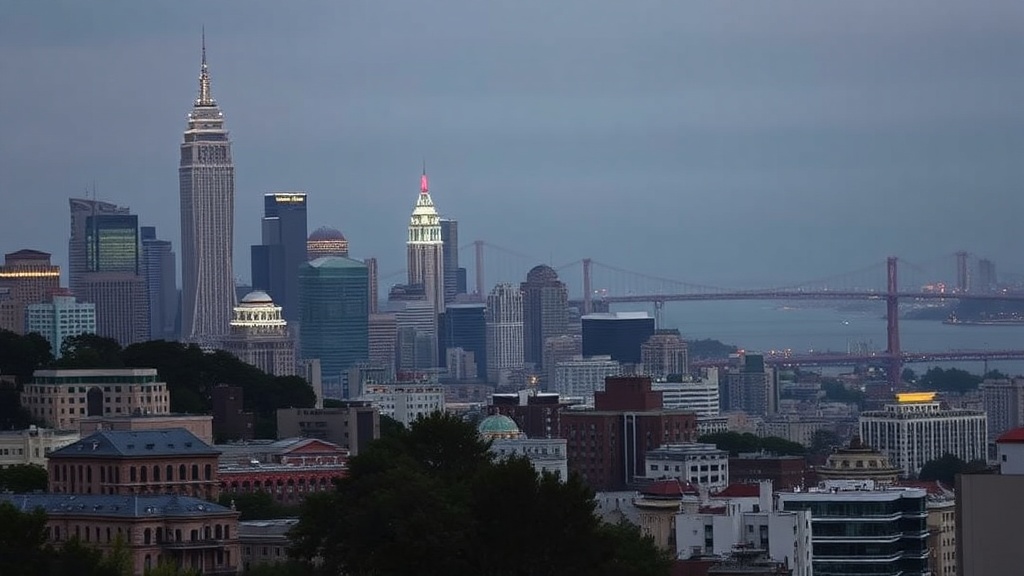
San Francisco is known for high housing demand and an evolving commercial scene.
For newcomers, researching neighborhoods for commuting, amenities, and community feeling helps narrow choices. Earthquake awareness is part of everyday life: securing heavy furniture, assembling a basic emergency kit, and staying informed about safety procedures are wise steps for residents and visitors alike.
Sustainability and culture
The city champions sustainable transportation, widespread recycling and composting programs, and strong support for local small businesses. Farmers markets and community events provide regular ways to connect with local produce and artisans.
Final tips
Plan high-demand activities in advance, carry layers for weather shifts, and leave extra time for transit on busy corridors. Embrace walking and neighborhood exploration to discover San Francisco’s best surprises — the city rewards curiosity with unexpected vistas, local flavors, and a vividly layered cultural life.