San Francisco’s waterfront and neighborhood revival offers a fresh reason to explore the city beyond the classic postcard shots.
From revamped piers and open-air markets to resilient parks built for rising tides, the city blends historic charm with forward-looking design — making it a top pick for urban explorers, food lovers, and outdoor enthusiasts.
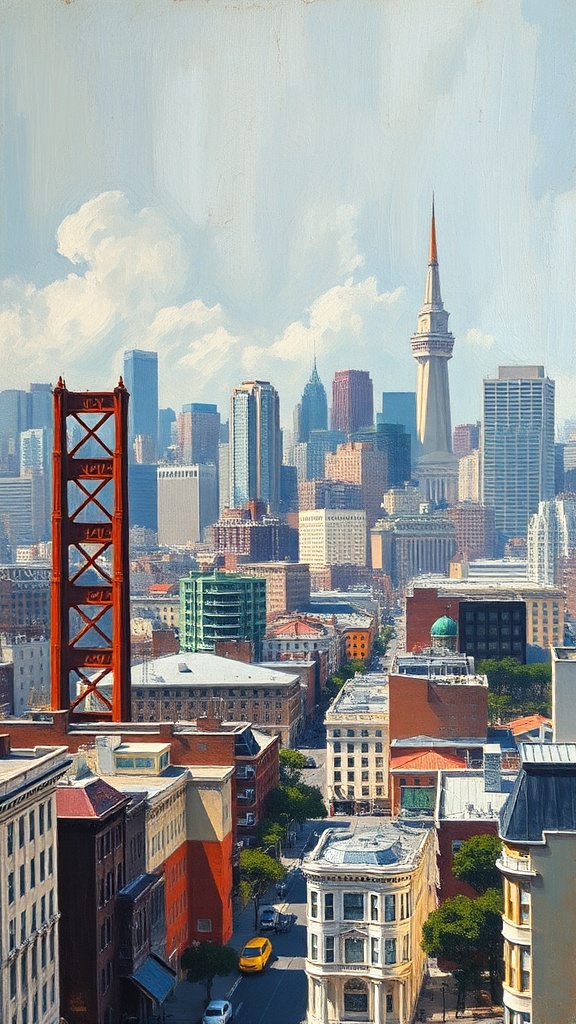
Why the waterfront matters
The Embarcadero and surrounding piers have shifted from traffic-heavy corridors to people-focused promenades. Restored piers now host farmers markets, craft fairs, and seasonal pop-ups, while long stretches of waterfront have been redesigned to absorb storm surges and create public green space.
That combination of recreation and resilience gives visitors scenic views of the bay, the Golden Gate, and skyline, plus a firsthand look at urban adaptation.
Neighborhoods worth wandering
– Ferry Building & Embarcadero: Start at the Ferry Building marketplace for artisan food, local coffee, and specialty shops. The area is walkable and connects to ferry services that offer a scenic, traffic-free way to approach the city.
– Mission District: Known for vibrant murals, Mexican and Latinx eateries, and a lively nightlife scene. Try a taqueria off the main drag and then explore the alleyways for street art.
– Hayes Valley and Civic Center: Boutique shops, contemporary galleries, and chef-driven restaurants sit alongside cultural institutions and leafy plazas.
– Dogpatch & Potrero Hill: Former industrial zones now home to distilleries, art studios, and waterfront parks — ideal for a quieter afternoon.
Outdoor activities and active transit
San Francisco is compact and surprisingly bikeable when you plan routes that avoid the steepest climbs. Dedicated bike lanes and bike-share services make it simple to pedal between waterfront trails, parks, and neighborhoods. The city’s network of ferries, light rail, and buses provides alternatives to driving; using transit makes exploring more relaxed and reduces parking headaches.
Food and drink highlights
The city’s culinary scene continues to prioritize local producers, seasonal fare, and diverse influences.
Farmers markets are abundant — great spots to sample artisanal cheeses, sourdough, and Pacific-caught seafood. For coffee, look for neighborhood roasters rather than chain outlets; the best cafes often double as micro-communities where locals convene.
Practical tips for visitors and locals
– Time your waterfront walk for early morning or late afternoon to avoid peak pedestrian crowds and to catch softer light for photos.
– Dress in layers: coastal fog and breezes can change temperatures rapidly between neighborhoods.
– Book reservations for popular restaurants and weekend attractions, and check transit schedules for late-night returns.
– Explore by ferry when possible: it reduces travel friction and offers unique views of the city and bay.
Sustainable and resilient design
Many public projects now emphasize ecology and durability — from seawall reinforcements and tidal marsh restoration to parks designed to capture stormwater. These efforts create more green space for recreation while protecting infrastructure and neighborhoods from coastal threats.
Why it matters for the future
San Francisco’s balance of heritage and innovation shows how cities can honor local culture while adapting to environmental and social challenges. Whether you’re a visitor looking for lesser-known spots or a resident seeking new routines, the evolving urban landscape invites curiosity and responsible exploration.
Plan your route, embrace the walkable streets, and leave room to discover small cafes, hidden murals, and waterfront views — the city rewards those who wander with attention and an open schedule.