San Francisco by the Bay: How to See the City Sustainably and Like a Local
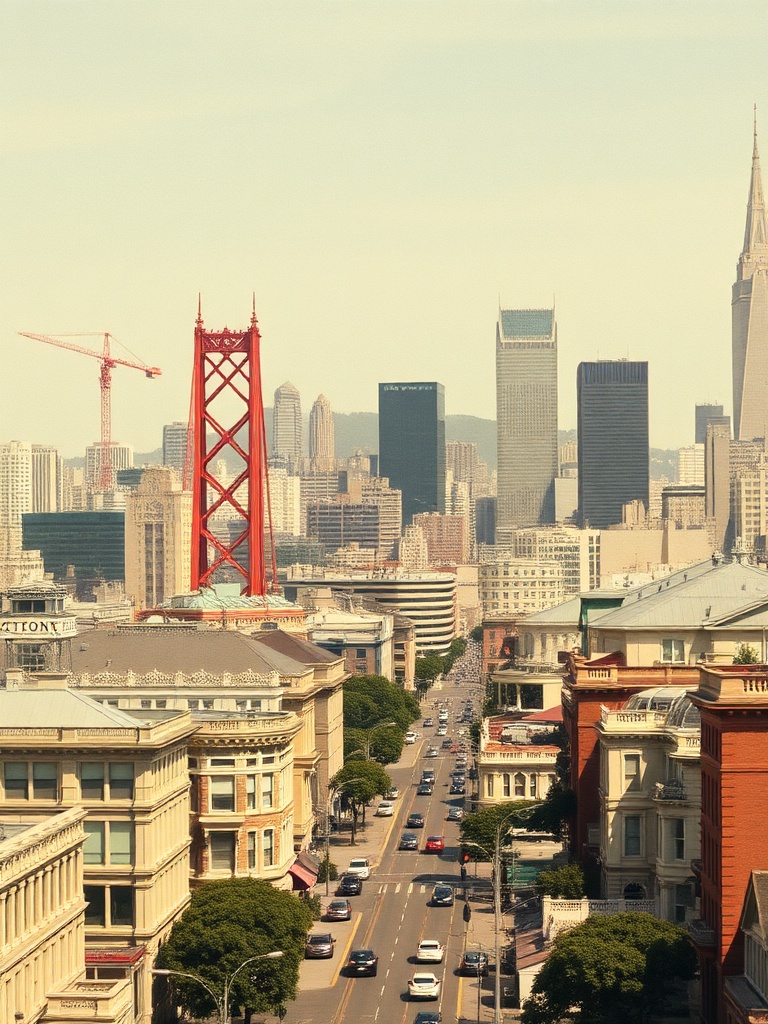
San Francisco rewards visitors who slow down, choose low-impact transport, and explore beyond the postcard views. From fog-kissed vistas to vibrant neighborhood food scenes, a sustainable approach makes for a richer, cleaner visit and better experiences for residents.
Getting around smarter
– Use transit: The city’s transit network combines light rail, buses, historic streetcars, and regional rail.
A reloadable transit card or contactless payment lets you jump between local lines and regional connections without hunting for exact change.
– Ride bikes and e-scooters: Protected bike lanes and dedicated bikeshare stations make cycling an efficient way to cross neighborhoods. Many popular routes offer scenic views without steep climbs.
– Ferries and walking: Bay ferries provide a relaxing commute-style alternative to bridges, and San Francisco’s compact neighborhoods are ideal for walking—especially along waterfront promenades and parks.
– Avoid peak driving: Streets and parking are limited; when you must drive, plan for congestion and follow parking rules to avoid fines.
Neighborhoods to explore
– Waterfront & Embarcadero: Start at markets and piers, where artisan food vendors, waterfront trails, and public art make for a leisurely morning.
– North Beach and Chinatown: Alleyways, cafes, and family-run shops offer deep cultural experiences.
Seek out small bakeries and intimate restaurants rather than only the tourist corridors.
– Mission District: Known for murals and bold flavors, this neighborhood blends neighborhood eateries, craft coffee, and lively public spaces.
– Hayes Valley & Inner Sunset: Boutique shops, parklets, and accessible transit make these areas perfect for a slower afternoon of browsing and dining.
– Golden Gate Park & Presidio: Both are expansive green spaces with trails, viewpoints, and restored habitats—perfect for picnics or a longer bicycle ride.
Eat, drink, and shop local
San Francisco’s food scene centers on seasonal produce, immigrant foodways, and chef-driven small businesses.
Farmers’ markets near transit hubs offer fresh options and reduce packaging waste. Choose neighborhood cafes and markets where ingredients are sourced locally or prepared with attention to waste reduction. Bring a reusable bag and cup—many places offer incentives for BYO containers.
Nature and open spaces
The city’s microclimates mean you can experience fog near the ocean and sun in inland spots on the same day—layer your clothing. Waterfront trails, restored wetlands, and urban forests provide accessible escapes. When visiting natural areas, stick to marked paths, pack out trash, and respect wildlife.
Practical tips for a smooth visit
– Pack layers and a windproof jacket for changeable weather.
– Book popular restaurants and park attractions in advance to avoid long waits.
– Respect local customs: be mindful of noise in residential areas and follow posted signage in parks.
– Support small businesses by choosing locally owned shops, bakeries, and family-run restaurants.
Why sustainable travel matters here
San Francisco relies on livable streets and vibrant neighborhoods. Choosing low-impact transport, supporting local businesses, and enjoying public spaces responsibly helps maintain the qualities that make the city magnetic. Whether you’re here for a weekend or extended stay, a mindful approach turns well-known sights into meaningful experiences.
Plan your route, pack layers, and explore with attention—San Francisco reveals its best side to those who move thoughtfully through its neighborhoods, parks, and waterfronts.