The San Francisco 49ers are a case study in how disciplined roster construction, innovative offense, and defensive identity combine to sustain contention. Whether you follow the team closely or are just catching up, understanding the 49ers’ blueprint reveals why they remain one of the NFL’s most watched franchises.
Offensive creativity and versatility
The offense is defined by scheme diversity and elite play design. Run concepts mix gap, zone, and power looks, keeping defensive fronts guessing and creating room for play-action that opens up explosive shots downfield. The quarterback room benefits from a system that prioritizes quick decision-making, preseason reps, and a clean pocket—allowing talented pass-catchers to maximize mismatches.
A dynamic tight end, a physical receiving corps, and a complementary running game make play-calling layered and unpredictable.
The coaching staff leans into motion, pre-snap shifts, and misdirection to manufacture space for playmakers, while tailored game plans exploit opponent weaknesses. Red-zone efficiency often comes from creative formations and trusted personnel packages that force mismatches.
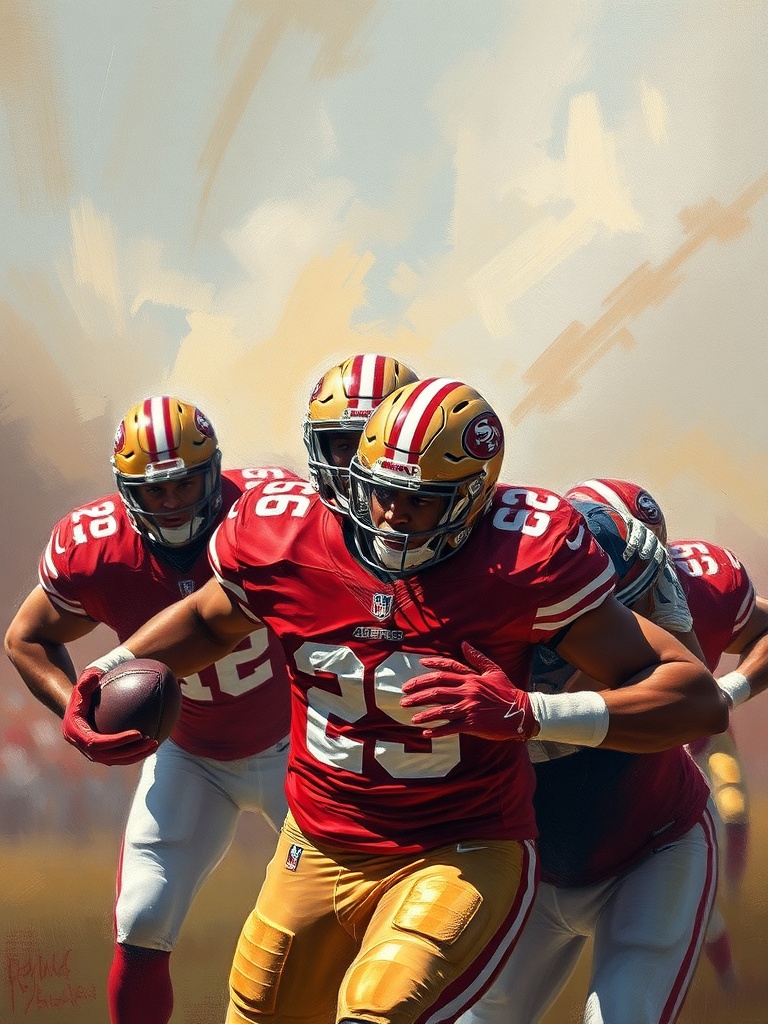
Defensive identity and pass rush
Defense is anchored by a relentless pass rush and a flexible front that can pressure with four or bring extra resources from linebacker and safety shells. Disrupting the quarterback early has consistently set the tone, while a focus on tackling fundamentals reduces big-play opportunities on the perimeter.
The secondary blends physical coverage with ball-hawking tendencies, and defensive coordinators prioritize situational football—third-down packages, two-minute-game execution, and turnover creation. This balance between aggression and discipline often translates into late-game resilience.
Front office philosophy: balance and depth
Success starts with a clear front-office blueprint: draft well, add smart free-agent fits, and prioritize depth across the roster. The team tends to invest in trenches—offensive and defensive line play—that protect investments at skill positions and create sustainable running lanes. Instead of chasing splashy short-term upgrades, the approach emphasizes player development, schematic fit, and retaining core contributors.
Cap management and contract strategy aim to avoid abrupt cliff effects, allowing the team to remain competitive year after year. When the front office does make big moves, they’re typically targeted upgrades that align with the coaching staff’s vision.
Culture and preparation
Culture plays a major role. Coaching emphasizes attention to detail, situational awareness, and adaptability. Players are expected to master the playbook, communicate effectively, and perform in high-pressure environments.
From veteran leadership in the locker room to a competitive practice environment, culture fuels consistency.
Injury management and load management are prioritized to keep key players available for the stretch run.
Health protocols, tailored recovery plans, and depth charts built with redundancy help weather the inevitable attrition of a long season.
What to watch
Key indicators of sustained success include quarterback play under pressure, the health and production of primary playmakers, and whether the defense can generate consistent third-down stops and turnovers. Special teams often swing close games, so attention to field-position battle and kicking reliability is also important.
Why it matters
The 49ers model demonstrates that long-term contention isn’t built on star power alone.
It’s the marriage of strategic drafting, smart free agency, innovative play-calling, and a strong organizational culture.
For fans and analysts alike, following these components reveals why the franchise repeatedly competes at the highest level and provides a playbook other teams often try to emulate.