Why the 49ers’ Identity Still Matters: Scheme, Development, and Culture
The 49ers are one of the most closely watched franchises because they combine a distinct on-field identity with strong player development and an engaged fanbase. That mix makes them a model for teams aiming to compete sustainably rather than chasing short-term fixes.
Offensive DNA: Motion, Zone, and Play-Action
At the core of the 49ers’ approach is an offense built around pre-snap motion, zone running concepts, and play-action. That system creates favorable matchups and leverages space rather than relying solely on brute force. It emphasizes a balanced attack where the run sets up play-action shots, and creative play design—jet motion, wide-zone runs, and misdirection—keeps defenses guessing.
For quarterbacks, this approach reduces the need for improvisation, instead rewarding decision-making and timing.
Quarterback and Skill-Position Development
Quarterbacks who thrive in this system are quick processors who can manage the pocket, make fast reads, and execute on play-action. The coaching emphasis on precision — of footwork, timing, and tempo — helps young signal-callers develop within a structure that amplifies their strengths. Similarly, the team typically targets versatile skill-position players: receivers who can run routes from the slot or outside, and running backs who can wear down defenders between the tackles and catch in space. This versatility makes play-calling multi-dimensional and harder to defend.
Front Office Strategy: Draft, Fit, and Depth
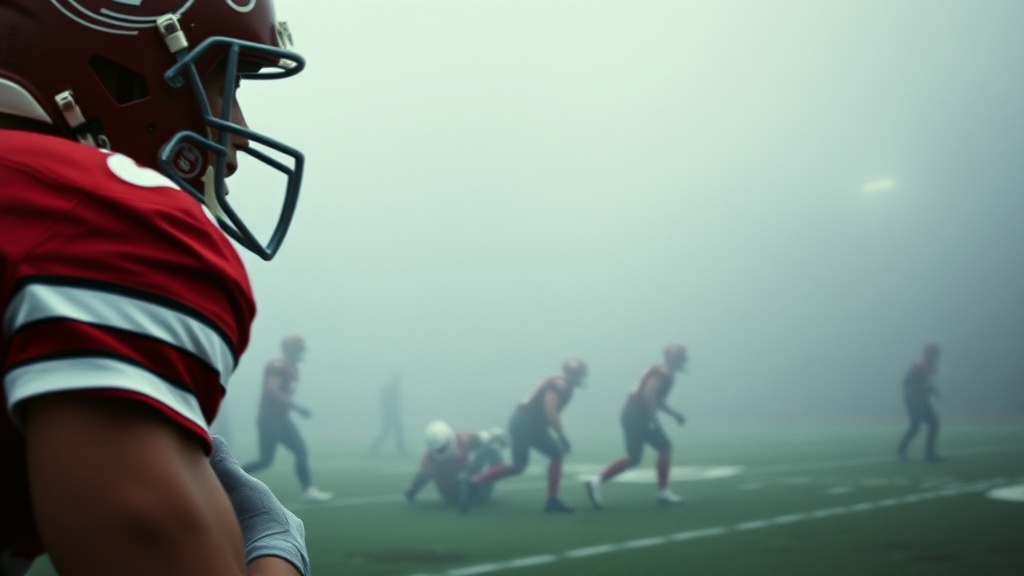
Sustainable success for the 49ers hinges on drafting players who fit their scheme and then developing them. Rather than constantly buying expensive veteran stopgaps, the front office often prioritizes scheme fit and positional versatility. Investing in offensive line depth and adaptable defenders is a recurring theme, because both translate directly into the ability to control games and stay healthy across a long season. Smart drafting and a willingness to trade up or down for the right pieces keep the roster flexible.
Defense and Complementary Football
The defensive philosophy complements the offense by emphasizing pressure, disciplined gap control, and turnovers. Linebackers and defensive ends are valued for their ability to set the edge and rush the passer, while defensive backs are coached to play with anticipation against motion-heavy offenses.
When both units execute, the result is a game plan that forces opponents into predictable play calls, allowing the 49ers to dictate tempo and limit big plays.
Fan Experience and Community Connection
Home games are distinct for their passionate crowds and gameday rituals. The organization has invested in stadium amenities and local partnerships to deepen community ties and improve the in-person experience. Off the field, community outreach and youth programs reinforce the franchise’s connection to its region, turning casual viewers into lifelong supporters.
Why It Matters for the League
The 49ers’ model shows how identity-driven football can produce consistent competitiveness.
Teams that align coaching philosophy, roster construction, and development pipelines tend to sustain success without relying solely on blockbuster signings. That alignment also gives coaches freedom to innovate within a stable framework, producing some of the most creative scheming on the field.
For fans and observers, watching a team with a clear identity is compelling because every offseason move and coaching decision feels purpose-driven. The results are often visible on the scoreboard, but the longer-term payoff is a roster that can adapt to injuries and scheme counters while maintaining a recognizable style of play.