Few NFL franchises blend tradition, tactical innovation, and a fiercely loyal fanbase like the San Francisco 49ers.
Built on a legacy of Hall of Famers and championship pedigree, the organization now stands as a case study in sustained competitiveness—anchored by a distinct offensive philosophy, a disruptive defensive front, and a front office that prioritizes long-term roster construction.
Offensive identity: scheme first
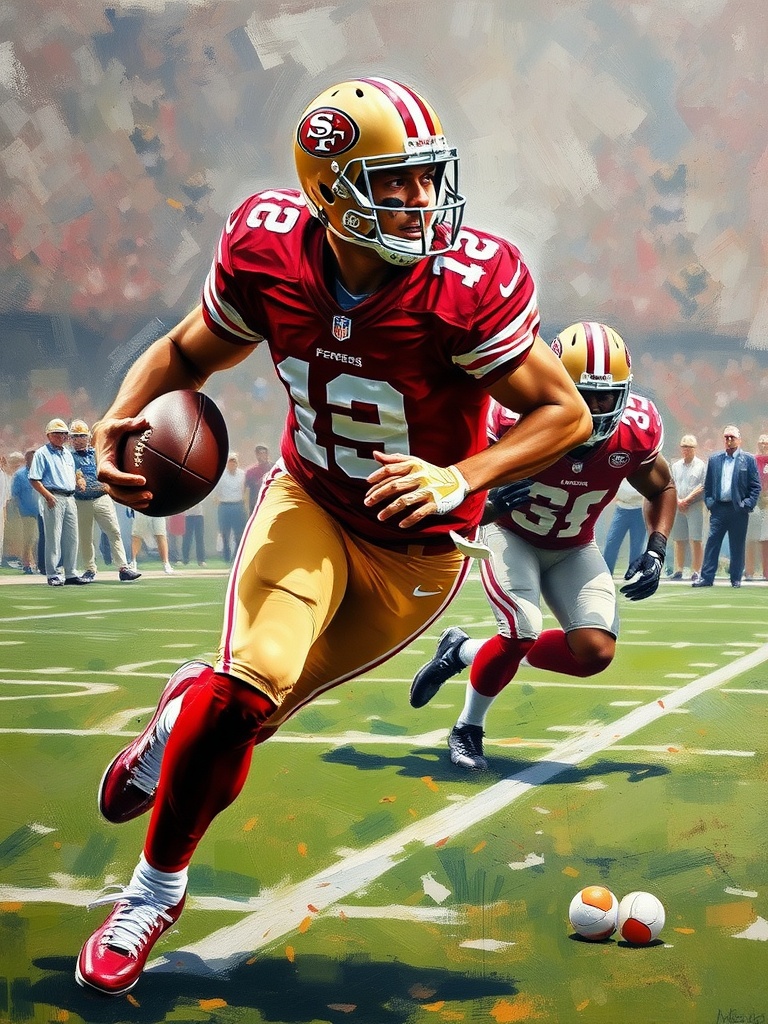
The 49ers are widely associated with a creative, run-heavy offense that prioritizes tempo, misdirection, and play-action passing. A core element is the outside-zone running game, complemented by pre-snap motion and tight-window passing concepts that turn defensive overcommitment into explosive gains. Quarterbacks in this system are asked to manage the pocket, execute play-action efficiently, and buy time with movement when needed.
Versatile skill-position players—dual-threat running backs, move tight ends, and quick, route-savvy receivers—thrive because the scheme creates mismatch opportunities and emphasizes YAC (yards after catch).
Defensive traits: depth and disruption
On defense, the 49ers emphasize pressure from multiple fronts rather than relying on one pass rusher. That approach uses heavy personnel rotation, hybrid defenders who can set the edge and drop in coverage, and aggressive front-seven play to create turnovers and short fields for the offense.
Success often hinges on depth: stout interior linemen to control the run and athletic linebackers able to cover tight ends and running backs in space.
Roster construction: balance and development
A consistent theme in roster building is the balance between drafted talent and targeted veteran additions. The franchise invests in the trenches—protecting the quarterback and establishing the run—while seeking playmakers in skill positions who fit scheme requirements rather than pure star power. Player development is emphasized: young contributors are groomed through rotational snaps and scheme-friendly roles, allowing them to expand responsibilities without facing immediate high-pressure expectations.
Fan culture and game-day atmosphere
The “Faithful” have turned home games into major Bay Area events. Tailgating culture, packed sections of red, and a network of local bars and viewing spots create a year-round football ecosystem. The stadium experience blends modern amenities with traditions—anthem performances, community outreach, and in-game rituals that keep fans engaged even during long stretches of league-wide parity.
Rivalries and regional dynamics
NFC West matchups remain some of the most-watched games each week. Rivalries with nearby teams produce high-stakes, physical contests that test roster depth and coaching adaptability. These games often expose personnel strengths and weaknesses and serve as a barometer for how the franchise stacks up against top competition across the league.
Storylines to watch
Key items that determine trajectory include quarterback health and play-style fit within the system, offensive-line continuity, and the ability to replenish pass rush and linebacker talent through scouting and free agency. The balance between veteran leadership and rookie infusion will dictate how quickly the team can pivot after injuries or roster turnover. Coaching adjustments—especially in-game creativity and fourth-down aggressiveness—remain essential in close contests.
For fans and analysts alike, the 49ers are a reminder that sustained success in professional football blends tactical identity, smart roster management, and an energized fanbase. Watching how those elements interlock—season after season—offers one of the clearest windows into what it takes to remain a perennial contender.