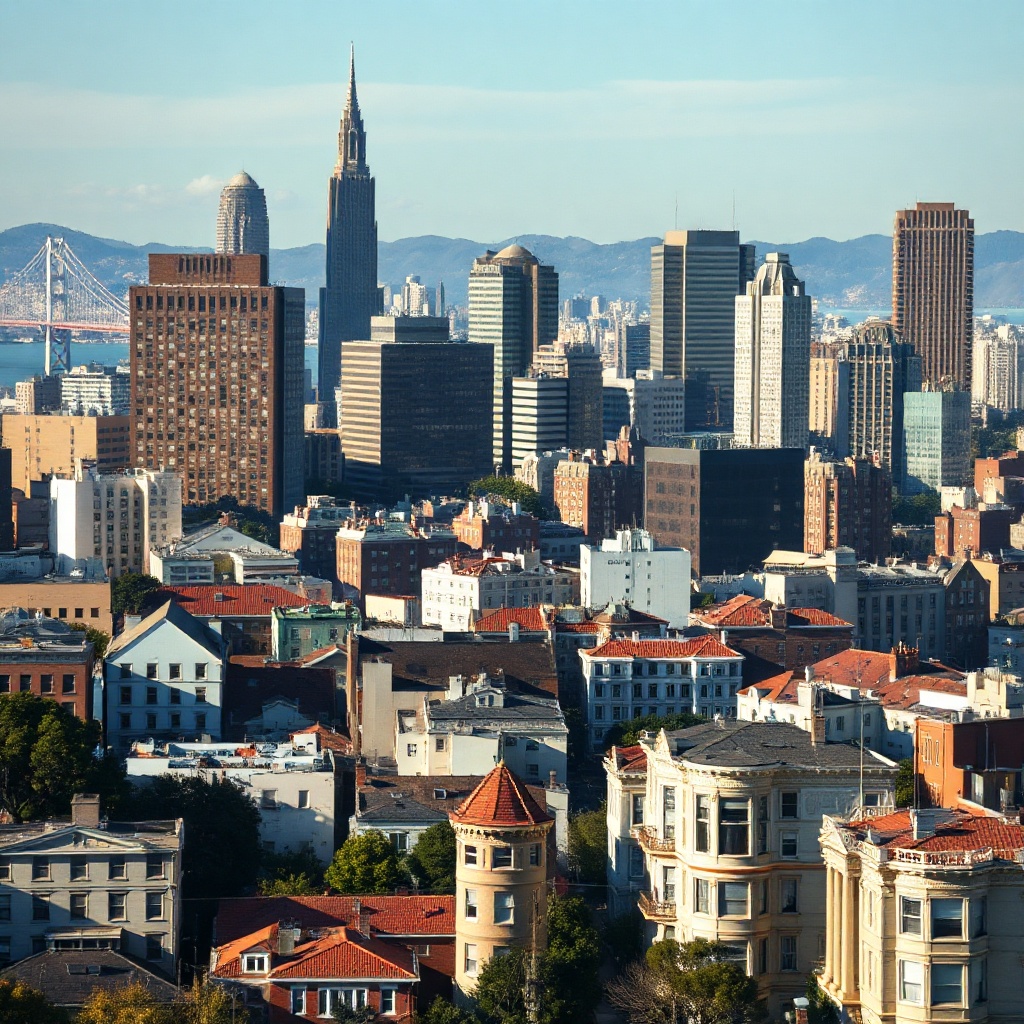
San Francisco remains one of the most dynamic and walkable cities on the West Coast, blending iconic sights with evolving neighborhoods, a competitive tech economy, and a world-class culinary scene. Whether planning a short trip or settling in for the long haul, understanding the city’s neighborhoods, transit options, outdoor spaces, and local trends helps make the most of what San Francisco offers.
Neighborhoods and culture
San Francisco’s neighborhoods each carry a distinct personality. The Financial District hums during weekdays while the waterfront and Embarcadero attract walkers and cyclists almost any time. The Mission District is known for murals, lively street life, and an eclectic mix of dining options. North Beach still channels a European cafe vibe with Italian restaurants and jazz clubs, while the Richmond and Sunset neighborhoods offer quieter, residential pockets with easy access to Golden Gate Park and Ocean Beach.
What ties neighborhoods together is a strong sense of local identity and a steady stream of new independent shops, galleries, and eateries.
Getting around
Public transit is a practical way to navigate the city. Muni light rail, buses, historic streetcars, and the iconic cable cars cover most central neighborhoods. Regional rail service and connections across the Bay are available via BART and several ferry routes that provide scenic commutes and reduce road congestion. Cycling infrastructure has expanded in key corridors, and bike-share options complement car-free travel. For drivers, shared-mobility services are widely available, but traffic and parking can be challenging—plan extra time for peak periods.
Parks and outdoor life
Green space is a major perk. Golden Gate Park offers museums, gardens, and miles of trails, while the Presidio provides elevated views of the Golden Gate Bridge and family-friendly trails. Crissy Field is a favorite for waterfront walks and kite flying. The city’s compact footprint makes it easy to pair an urban day with outdoor time, and nearby regional open spaces provide quick escapes for hiking, mountain biking, and camping.
Food and nightlife
San Francisco’s food scene blends established institutions with innovative newcomers. From farm-driven fine dining and Michelin-recognized kitchens to neighborhood taquerias and late-night ramen shops, culinary variety is a hallmark. Farmers markets populate many neighborhoods, offering seasonal produce and artisanal goods.
Nightlife runs the gamut from cozy cocktail bars and live music venues to outdoor beer gardens and performance theaters.
Economy and innovation
The tech and startup ecosystem remains an economic engine, complemented by finance, healthcare, and biotech sectors. Co-working spaces and incubators continue to support entrepreneurs, while universities and research centers fuel talent pipelines. A focus on inclusive growth and sustainable development has influenced local policies, encouraging affordable-housing initiatives, small-business support, and workforce training programs.
Sustainability and resilience
The city continues to prioritize climate resilience and clean transportation. Investments in flood protection, shoreline restoration, and public-transit improvements reflect a commitment to adapt to changing environmental conditions. Local initiatives promote energy efficiency, zero-emission vehicles, and expanded bike and pedestrian networks.
Practical tips
– Carry layers: microclimates mean fog and wind can appear even on sunny days.
– Buy transit passes for multi-day stays to save on fares and simplify travel.
– Book popular attractions and restaurants in advance when possible.
– Explore by neighborhood to get a deeper sense of local culture beyond the usual tourist stops.
San Francisco remains a compelling mix of scenic beauty, cultural richness, and economic vitality. With thoughtful planning and a willingness to explore beyond the headline attractions, visitors and residents alike can discover why the city continues to attract creative energy and diverse communities.