San Francisco: A Practical Guide to Living, Working, and Exploring
San Francisco remains one of the most magnetic cities on the West Coast, blending iconic landmarks with vibrant neighborhoods, a dynamic food scene, and a strong focus on outdoor life.
Whether you’re planning a visit or settling in, a few practical tips help you make the most of what the city offers.
Neighborhoods that define the city
– North Beach and Chinatown: Great for walking tours, coffee shops, historic bakeries, and classic Italian restaurants.
– The Mission: A hub for murals, indie boutiques, and some of the city’s best taquerias and bakeries.
– Hayes Valley and the Richmond: Known for stylish shopping, casual dining, and quieter residential streets.
– SoMa and the Embarcadero: Home to tech offices, museums, and waterfront promenades.
Top things to do
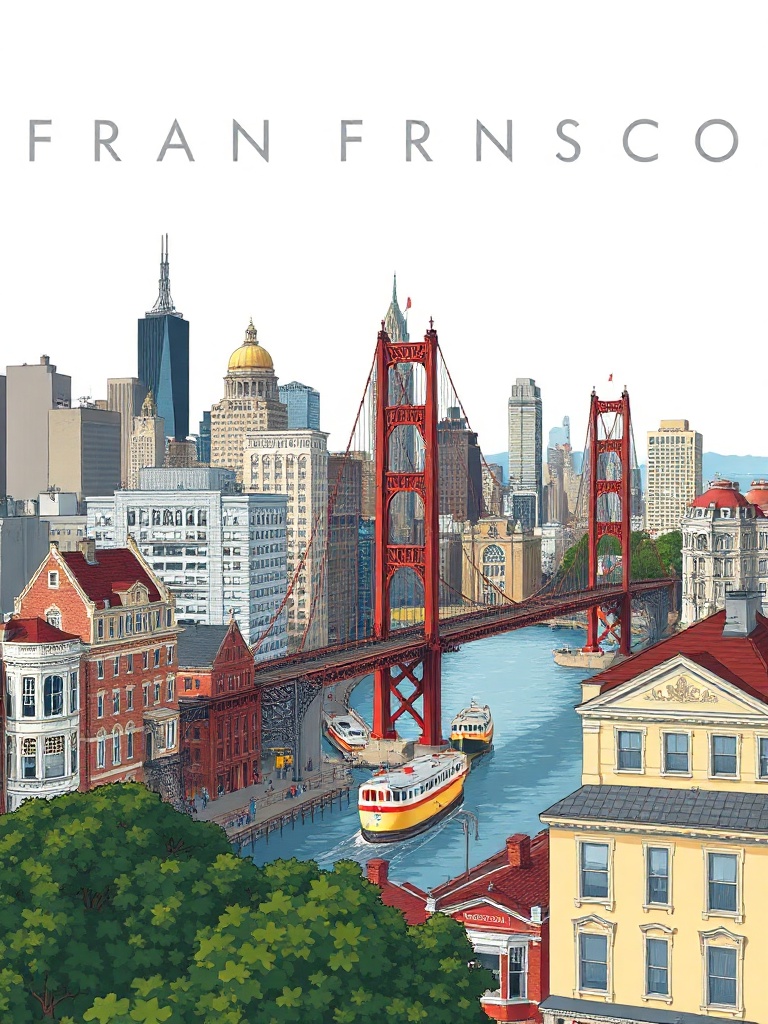
– Walk or bike the Golden Gate Bridge for unforgettable views of the bay and skyline. Early morning or late afternoon offers softer light and fewer crowds.
– Explore the Ferry Building Marketplace for artisanal food stalls, local produce, and waterfront dining.
– Take a ferry to Alcatraz for a self-guided audio tour through the former federal prison; combine this with a walk along the waterfront for a full-day experience.
– Enjoy the city’s urban parks: Golden Gate Park stretches for miles with gardens and museums, while smaller green spaces like Dolores Park are perfect for people-watching and picnics.
– Seek out neighborhood street art and mural walks, especially in the Mission District.
Getting around
San Francisco’s compact footprint makes walking and cycling practical for short trips.
Micromobility options—bike share, electric scooters—are widely available; always follow local rules and park devices responsibly. Public transit includes regional rail and local light rail lines; timed connections can save hassle during commute hours.
Ride-hailing is convenient but surge pricing and traffic can add cost and delay.
Food and dining
The dining scene ranges from high-end tasting menus to beloved hole-in-the-wall eateries.
Farmers’ markets and the city’s commitment to local sourcing mean fresh, seasonal menus year-round. Reservations for popular restaurants are recommended, and exploring neighborhoods for smaller, community-run spots often leads to memorable finds.
Practical tips for visitors and residents
– Layer clothing: San Francisco’s microclimates mean sunshine and fog can coexist; a windproof jacket is useful nearly any time of day.
– Plan transit time generously: Hilly streets and heavy weekend traffic can slow down trips across the city.
– Book attractions in advance to avoid sold-out tours and long lines.
– Respect residential neighborhoods—park thoughtfully and observe noise ordinances.
Sustainability and livability
San Francisco continues to prioritize sustainability, with extensive recycling and composting programs, expanding bike infrastructure, and incentives for green building practices. Community-driven initiatives support urban greening, neighborhood resilience, and local business recovery.
Challenges and community resilience
Like many major cities, San Francisco faces challenges related to housing affordability and visible homelessness. Local nonprofits, neighborhood groups, and municipal programs are active in offering services, affordable housing projects, and outreach. For newcomers, volunteering or supporting neighborhood organizations is a way to engage positively.
Why San Francisco still stands out
The city’s mix of natural beauty, cultural diversity, and entrepreneurial energy keeps it a compelling place to visit or call home.
With a focus on walking, dining well, and getting outside, you can experience both iconic sights and lesser-known local gems with a little planning and a spirit of curiosity.