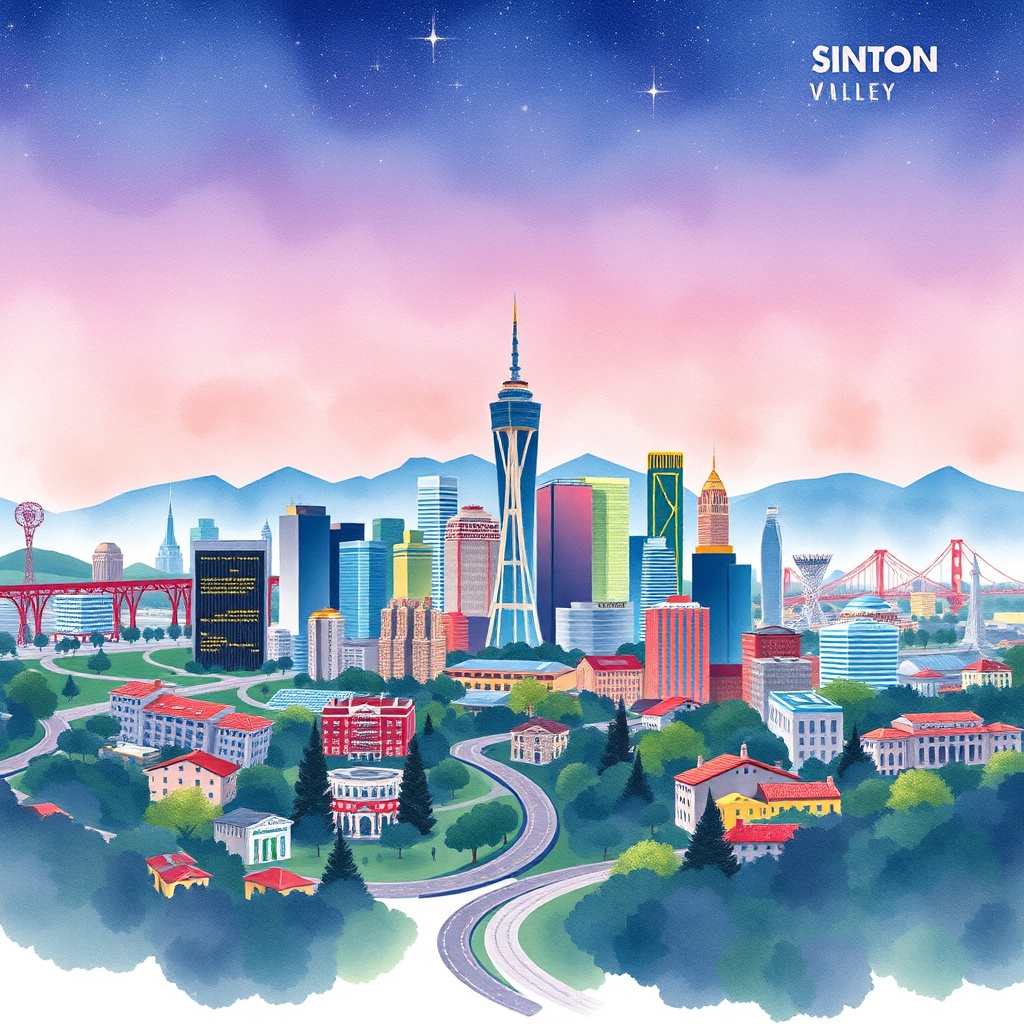
The Hybrid Campus: How Silicon Valley Companies Are Reimagining Offices
Silicon Valley is redefining what an office means. Companies that once measured success by square footage and signature campuses are shifting toward flexible, experience-driven workplaces that blend remote collaboration with purposeful in-person time. The result is a new model that prioritizes culture, productivity, and cost-efficiency while responding to talent expectations and local market pressures.
Why the shift matters
Hybrid work is no longer a perk — it’s a strategic imperative for attracting and retaining top talent. Employees expect flexibility, meaningful face-to-face interactions, and amenities that support wellbeing. At the same time, real estate costs and sustainability goals are pushing leadership to use space more intelligently.
The modern campus must balance these forces: reducing unused desks, encouraging serendipitous connections, and offering environments that justify commute time.
Design principles shaping the new campus
– Activity-based spaces: Private desks for heads-down tasks sit alongside collaboration hubs, quiet booths, and maker labs. Spaces are designed around activities, not fixed roles, so teams can choose environments that fit the work.
– Experience-first amenities: Cafés, wellness rooms, parent rooms, and learning zones turn the office into a place employees want to be, not simply where they must be.
– Flexibility and modularity: Movable walls, modular furniture, and multipurpose rooms let organizations reconfigure space quickly for events, sprints, or expanded teams.
– Sustainability and wellness: Energy-efficient systems, daylighting, improved air quality, and biophilic design reflect employee health priorities and reduce operational costs.
Technology and operations
Technology underpins hybrid success.
Desk-booking systems, room sensors, and analytics help optimize occupancy and inform lease decisions. Seamless audiovisual setups ensure remote participants are fully present in meetings. IT and facilities teams collaborate to secure hybrid workflows, protect sensitive data, and maintain consistent performance across distributed teams.
New real estate strategies
Companies are pursuing a mix of approaches to manage costs and presence:
– Consolidated hubs: Smaller, centrally located offices replace sprawling campuses to reduce commute time and strengthen community ties.
– Satellite hubs: Multiple neighborhood locations allow employees to work close to home while still benefiting from in-person collaboration a few times per week.
– Flexible leases: Shorter, more flexible lease terms and partnerships with coworking operators provide agility during uncertain growth cycles.
Cultural and managerial shifts
Hybrid models require deliberate cultural changes.
Managers must set norms around meeting types, asynchronous documentation, and expectations for in-office days. Performance measurement shifts away from visibility toward outcome-based metrics. Intentional rituals — town halls, design reviews, and social events — preserve shared identity even as team members spend more time apart.
Economic and community impact
The reimagined Silicon Valley office influences local economies. Neighborhood hubs support restaurants and services in multiple communities instead of concentrating spending around a single campus.
Thoughtful planning can also ease commuting strain and promote mixed-use development that integrates housing, transit, and retail.
Practical steps for teams planning a hybrid campus
– Audit space utilization and employee preferences before redesigning.
– Pilot flexible layouts and booking systems in a single building to gather data.
– Establish clear hybrid norms for meetings, documentation, and onsite expectations.
– Invest in amenities that support wellbeing and inclusivity, not just prestige.
– Review lease strategies regularly to align real estate footprint with headcount and remote policies.
The evolving Silicon Valley office is less about reclaiming old norms and more about designing places that add distinct value to employee experience and business outcomes. When space is purposeful, flexible, and human-centered, it becomes a strategic asset that supports innovation, connection, and long-term resilience.