Silicon Valley’s office landscape is evolving away from uniform glass towers and open-plan floors toward a more flexible, mixed-use future.
Companies are rethinking how much dedicated office space they need as hybrid schedules become the norm, and landlords, city planners, and developers are responding by converting underused commercial buildings into housing, labs, and community hubs.
What’s driving the shift
Employee preferences for flexible schedules and closer-to-home work options have reduced daily occupancy in many corporate towers. At the same time, startups and legacy firms are experimenting with smaller headquarters, satellite neighborhoods, and coworking partnerships to maintain culture without keeping large, expensive spaces underutilized.
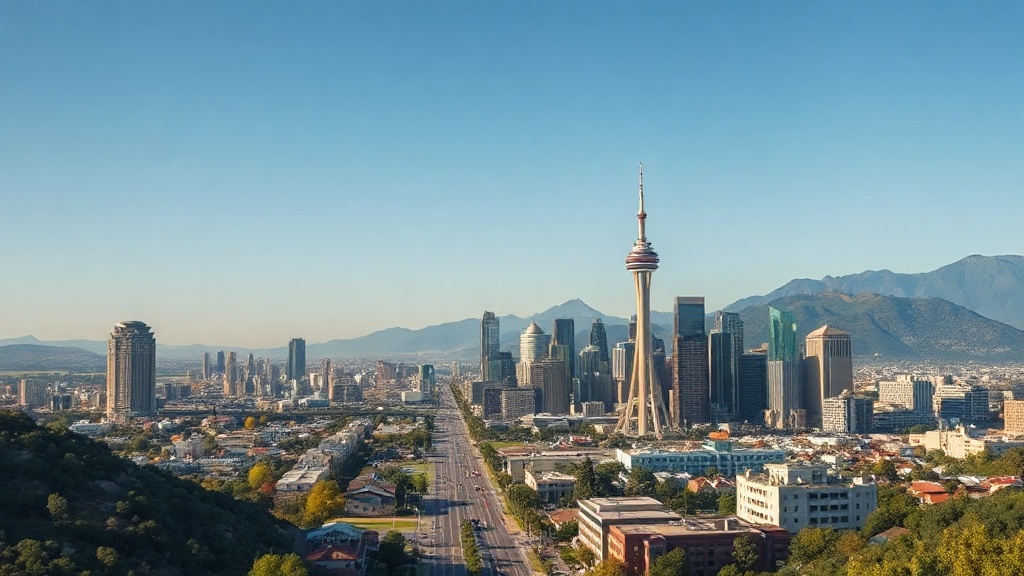
These changes make repurposing commercial real estate an attractive proposition for property owners who face rising vacancy and evolving tenant demand.
Office-to-housing conversions: opportunities and challenges
Converting offices into housing or mixed-use buildings can add much-needed residential supply in a region where housing affordability remains a persistent issue. Office-to-residence projects can be faster and more sustainable than ground-up development because they reuse existing structures and infrastructure. They also unlock neighborhood vitality by replacing vacant floors with residents who support local retail, transit, and services.
However, conversions aren’t automatic wins.
Technical hurdles—floor-plate depth that limits natural light, HVAC and plumbing upgrades, and seismic and fire-code retrofits—require careful design and investment. Zoning and entitlement processes can slow projects, and community concerns about density, parking, and school capacity must be managed through meaningful engagement and creative mitigation.
New forms of workspace and placemaking
As traditional office demand softens, flexible workspace concepts are filling the gap.
Neighborhood coworking spaces, company-run satellite hubs, and industry-specific labs offer collaboration without a single central campus. These smaller hubs often integrate with public spaces, cafes, and cultural amenities, blurring the line between work and daily life and supporting local economies.
Developers are also prioritizing ground-floor activation—retail, childcare, fitness, and neighborhood-serving uses that animate streetscapes. Upgrading buildings for energy efficiency and electrification not only lowers operating costs but aligns projects with corporate sustainability goals, making retrofits more attractive to socially conscious tenants and investors.
Policy levers and public-private collaboration
Local governments play a pivotal role by streamlining permitting for conversions, allowing mixed-use zoning, and offering incentives for affordable units and infrastructure upgrades.
Transit-oriented development policies that prioritize pedestrian access and public transit connectivity can amplify the benefits of repurposed buildings, reducing car dependence and improving quality of life.
What companies, developers, and communities should consider
– Companies: Conduct detailed occupancy analyses and employee preference surveys to right-size footprints. Invest in thoughtful amenity design for hubs that support collaboration and wellbeing.
– Developers: Evaluate adaptive reuse potential early, focusing on modular solutions, daylight strategies, and energy upgrades to reduce retrofit costs.
– Cities and planners: Offer clear conversion pathways, expedite approvals for projects that deliver housing and community benefits, and coordinate investments in transit and public space.
Silicon Valley’s workplace transition is opening opportunities to reimagine urban form—turning underused offices into diverse, walkable neighborhoods and smarter, more resilient buildings.
With coordinated planning and design innovation, these changes can reinforce the region’s vibrancy while addressing persistent housing and infrastructure challenges.